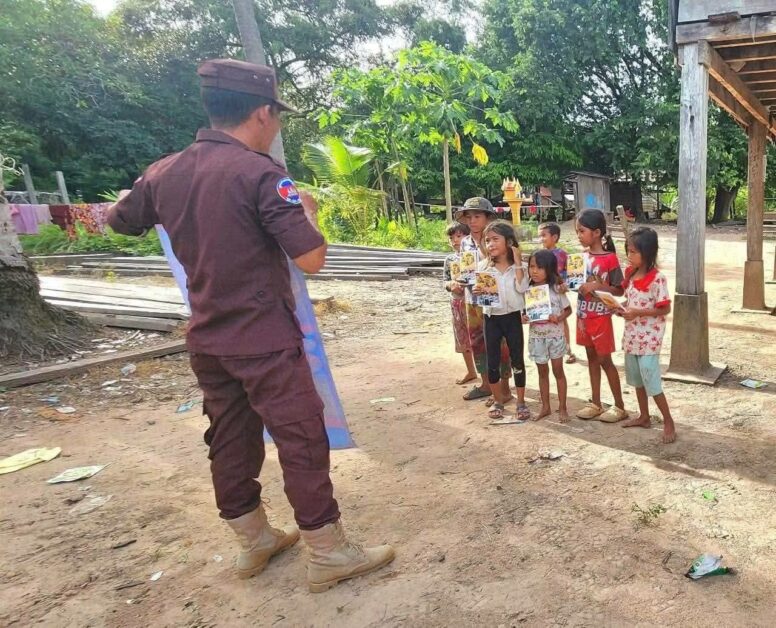
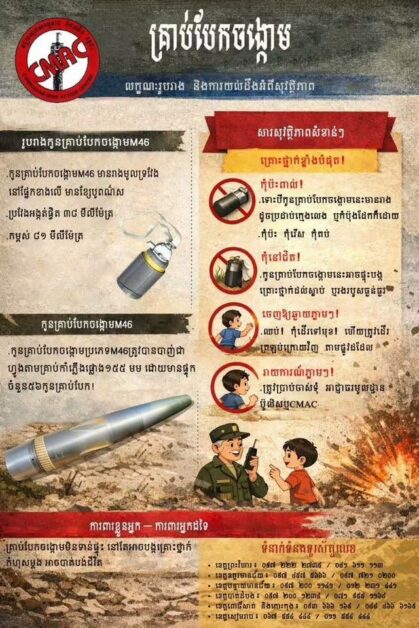
គ្រាប់បែកចង្កោមមិនស្គាល់បទឈប់បាញ់ទេ៖ គ្រាប់មិនទាន់ផ្ទុះរបស់យោធាថៃដែលបាញ់ស្រោចមកលើទឹកដីកម្ពុជា អាចបន្តសម្លាប់ និងគំរាមកំហែងប្រជាពលរដ្ឋជាច្រើនឆ្នាំទៅមុខ

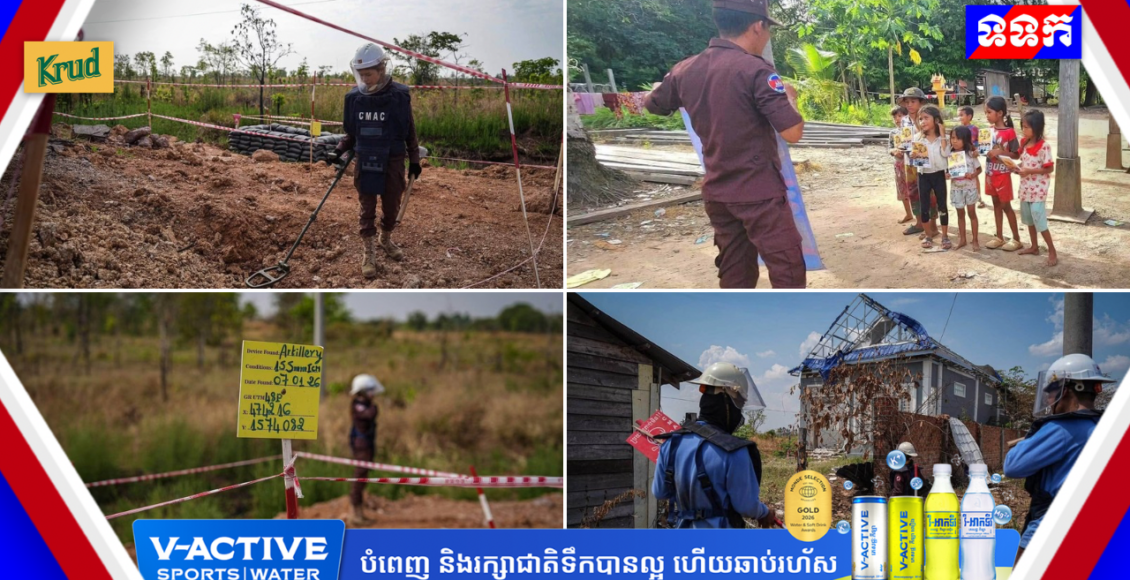
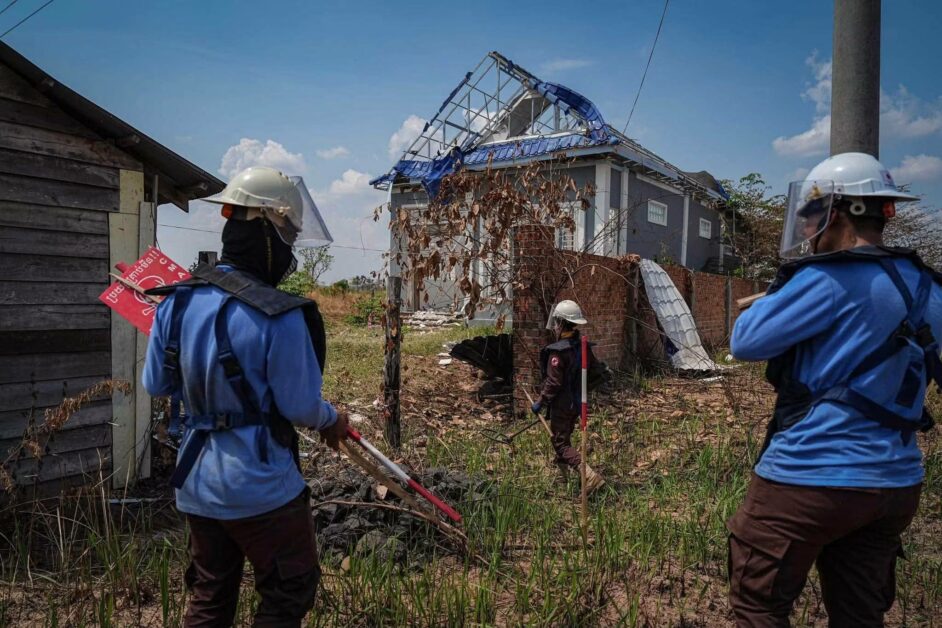
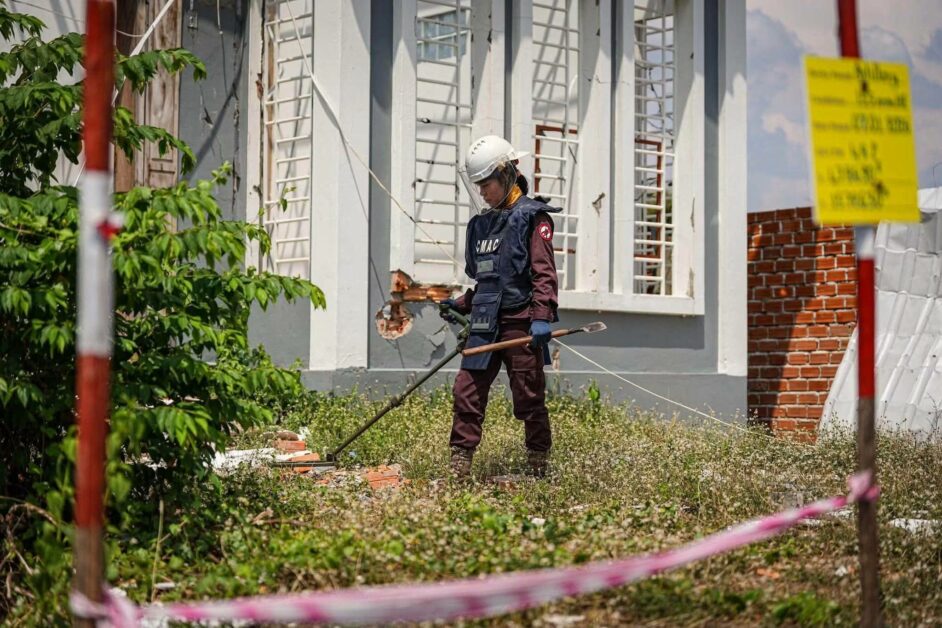
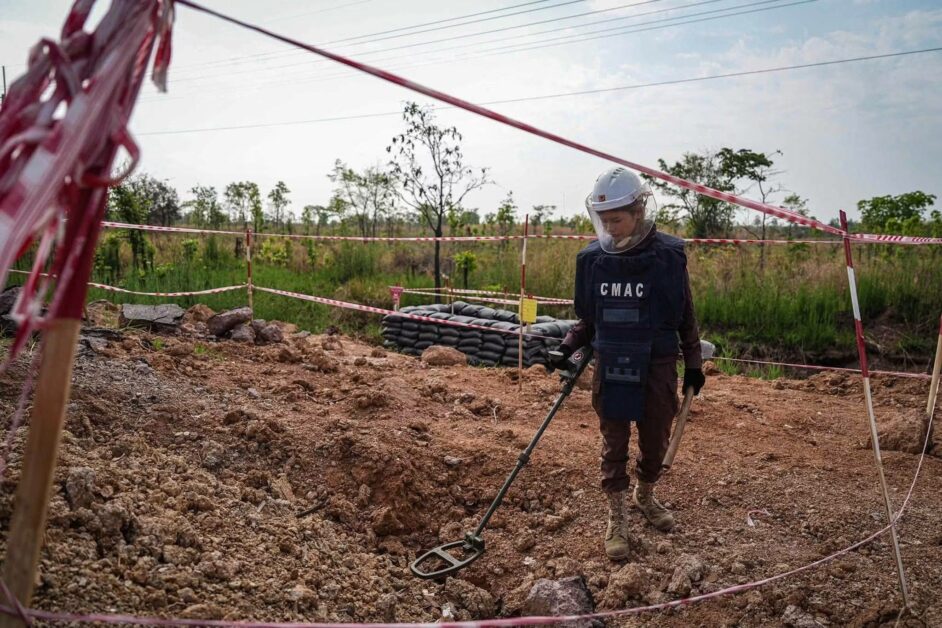
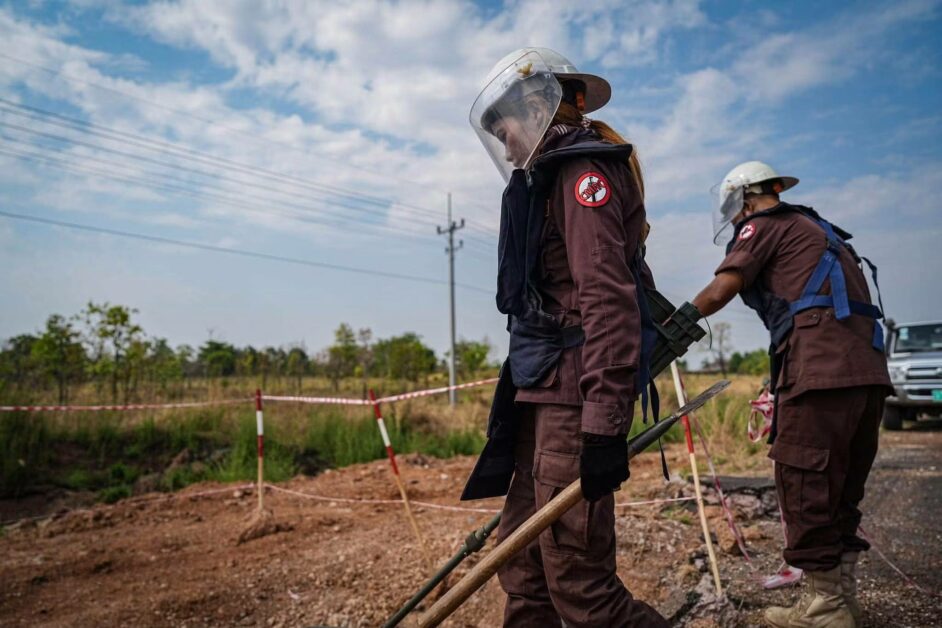
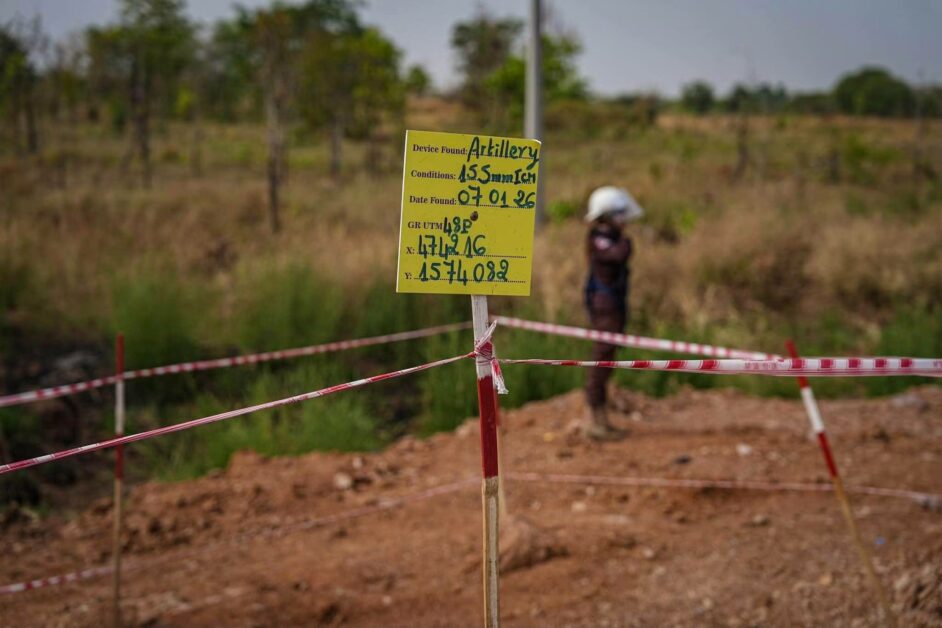
បើយោងតាម ឯកឧត្តម ហេង រតនា អគ្គនាយកមជ្ឈមណ្ឌលសកម្មភាពកម្ចាត់មីនកម្ពុជា បានជម្រាបលោក Alain Aeschlimann ទីប្រឹក្សាផ្នែកសុវត្ថិភាព និងការគ្រប់គ្រងវិបត្តិនៃទីស្នាក់ការកណ្តាល ICRC ថា លទ្ធផលស្រាវជ្រាវដែលទើបបញ្ចប់នៅភូមិចំនួន ៣៣៥ បានបង្ហាញពីទំហំដ៏ធ្ងន់ធ្ងរនៃការបំពុលដោយសំណល់យុទ្ធភណ្ឌរបស់យោធាថៃ។ តំបន់រងផលប៉ះពាល់ចំនួន ៥,៣៤៨ ពហុកោណ ត្រូវបានកំណត់លើផ្ទៃដីសរុប ៣,៨៧២ គីឡូម៉ែត្រការ៉េ ក្នុងនោះតំបន់រងផលប៉ះពាល់ដោយគ្រាប់បែកចង្កោមមានរហូតដល់ ៣,៨៥៨ ពហុកោណ គ្របដណ្តប់ផ្ទៃដីជិត ២,៧០០ គីឡូម៉ែត្រការ៉េ។ តួលេខទាំងនេះមិនមែនគ្រាន់តែជាស្ថិតិទេ ប៉ុន្តែជាការឆ្លុះបញ្ចាំងពីទំហំគ្រោះថ្នាក់ដែលប្រជាពលរដ្ឋកម្ពុជាត្រូវរស់នៅជាមួយជារៀងរាល់ថ្ងៃ។
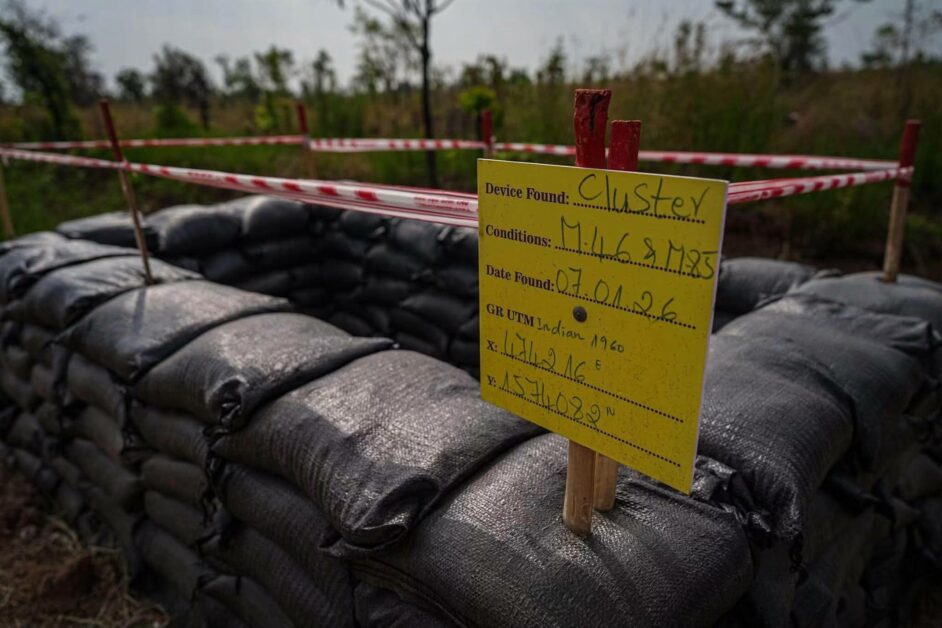
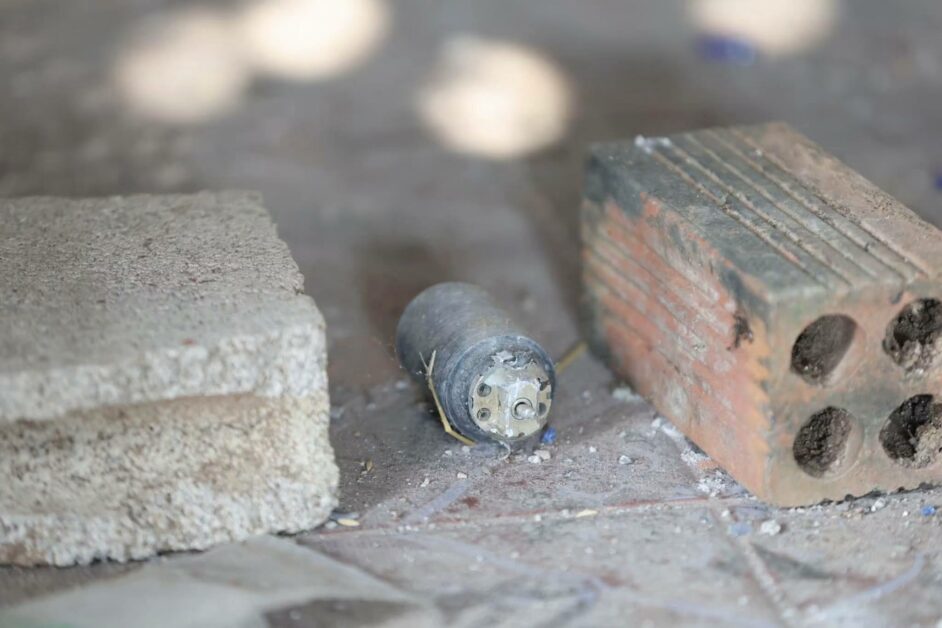
ឯកឧត្តម ហេង រតនា ក៏បានបញ្ជាក់ថា គ្រាប់បែកចង្កោមប្រភេទ M42, M46 និង M85 ដែលមិនទាន់ផ្ទុះ ដែលយោធាថៃបានបាញ់ អាចមានចំនួនប្រមាណពី ៦លានទៅ៧លានគ្រាប់ រាយប៉ាយនៅតាមភូមិឋាន ស្រែចម្ការ និងដីកសិកម្មរបស់ប្រជាពលរដ្ឋ។ នេះមានន័យថា គ្រោះថ្នាក់មិនបានបញ្ចប់ជាមួយការបញ្ចប់ការបាញ់ប្រហារនោះទេ។ គ្រាប់មិនទាន់ផ្ទុះអាចបន្តសម្លាប់ បង្ករបួស និងរារាំងប្រជាពលរដ្ឋពីការវិលត្រឡប់ទៅផ្ទះ ការបង្កបង្កើនផល និងការរស់នៅប្រកបដោយសុវត្ថិភាព។ ទំហំនេះត្រូវបានប្រៀបធៀបថា អាចធំជាងករណីសង្គ្រាមលីបង់-អ៊ីស្រាអែល ឆ្នាំ២០០៦ ដែលមានការប៉ាន់ប្រមាណគ្រាប់បែកចង្កោមមិនទាន់ផ្ទុះប្រមាណ១លានគ្រាប់។
នៅពីក្រោយគ្រាប់មិនទាន់ផ្ទុះមួយគ្រាប់ គឺជាហានិភ័យចំពោះជីវិតមនុស្សម្នាក់។ នៅពីក្រោយដីដែលត្រូវបានបំពុលមួយហិកតារ គឺអាចជាគ្រួសារមួយដែលមិនអាចធ្វើស្រែចម្ការ កុមារដែលមិនអាចទៅសាលារៀន ឬជនភៀសសឹកដែលមិនអាចវិលត្រឡប់ទៅផ្ទះរបស់ខ្លួនដោយសុវត្ថិភាព។ ដូច្នេះ បញ្ហាគ្រាប់បែកចង្កោមមិនមែនគ្រាន់តែជាបញ្ហាយោធា ឬបច្ចេកទេសកម្ចាត់យុទ្ធភណ្ឌនោះទេ ប៉ុន្តែជាបញ្ហាមនុស្សធម៌ សិទ្ធិមនុស្ស និងការស្តារជីវភាពរបស់សហគមន៍ទាំងមូល។
ឯកឧត្តមបានគូសបញ្ជាក់ថា ការបាញ់ពង្រាយគ្រាប់បែកចង្កោមរបស់យោធាថៃទៅកាន់តំបន់ដែលមានសាលារៀន វត្តអារាម ភូមិឋាន ស្រែចម្ការ និងហេដ្ឋារចនាសម្ព័ន្ធស៊ីវិល បានបន្សល់ទុកវិបត្តិមនុស្សធម៌ដ៏ធ្ងន់ធ្ងរ និងការគំរាមកំហែងរយៈពេលវែងដល់អាយុជីវិត សន្តិសុខស្បៀង ជីវភាពរស់នៅ និងការអភិវឌ្ឍសេដ្ឋកិច្ចសង្គមរបស់កម្ពុជា។ គ្រាប់បែកចង្កោមមិនស្គាល់បទឈប់បាញ់ទេ៖ គ្រាប់ដែលមិនទាន់ផ្ទុះអាចប្រែក្លាយផ្ទះសម្បែង សាលារៀន ស្រែចម្ការ និងទីធ្លារបស់កុមារ ទៅជាតំបន់គ្រោះថ្នាក់សម្រាប់មនុស្សជំនាន់នេះ និងជំនាន់ក្រោយ។
សន្តិភាពមិនអាចវាស់ត្រឹមតែភាពស្ងប់ស្ងាត់នៃសំឡេងកាំភ្លើងនោះទេ។ សន្តិភាពពិតប្រាកដត្រូវវាស់ដោយថាតើប្រជាពលរដ្ឋអាចវិលត្រឡប់ទៅផ្ទះដោយសុវត្ថិភាព កុមារអាចវិលទៅសាលារៀន កសិករអាចចូលស្រែចម្ការ និងសហគមន៍អាចរស់នៅដោយគ្មានការភ័យខ្លាចថា ជំហានបន្ទាប់របស់ពួកគេអាចប៉ះគ្រាប់មិនទាន់ផ្ទុះ។ ដរាបណាគ្រាប់បែកចង្កោមនៅតែរាយប៉ាយក្នុងតំបន់ស៊ីវិល ផលវិបាកនៃសង្គ្រាមនៅតែបន្ត ទោះបីការបាញ់ប្រហារបានបញ្ចប់ក៏ដោយ។
អ្វីដែលគួរឱ្យព្រួយបារម្ភជាងនេះ គឺតួលេខខាងលើមិនទាន់ឆ្លុះបញ្ចាំងពីទំហំពេញលេញនៃការបំពុលដោយសំណល់យុទ្ធភណ្ឌនៅឡើយ។ នៅមានភូមិចំនួន ១៤ ទៀតនៅតំបន់ជួរមុខជាប់ព្រំដែន ដែលក្រុមជំនាញមិនទាន់អាចចុះស្រាវជ្រាវ និងវាយតម្លៃផលប៉ះពាល់បាន។ ដូច្នេះ ទំហំពិតប្រាកដនៃតំបន់រងផលប៉ះពាល់ និងចំនួនគ្រាប់មិនទាន់ផ្ទុះអាចមានកម្រិតខ្ពស់ជាងតួលេខដែលបានរកឃើញនាពេលបច្ចុប្បន្ន។
បញ្ហានេះក៏បង្កើតសំណួរមួយអំពីទំនួលខុសត្រូវផងដែរ៖ តើនរណាត្រូវទទួលខុសត្រូវចំពោះការសម្អាតសំណល់យុទ្ធភណ្ឌ ការធ្វើឱ្យដីមានសុវត្ថិភាពឡើងវិញ ការជួយជនរងគ្រោះ និងការធានាថាប្រជាពលរដ្ឋអាចវិលត្រឡប់ទៅផ្ទះ និងដីកសិកម្មរបស់ខ្លួនដោយសុវត្ថិភាព និងសេចក្តីថ្លៃថ្នូរ? ផលវិបាកមនុស្សធម៌នៃសង្គ្រាមមិនគួរត្រូវបានទុកឱ្យជនស៊ីវិលជាអ្នកទទួលបន្ទុកតែម្នាក់ឯងឡើយ។
ការប្រយុទ្ធអាចបញ្ចប់ក្នុងរយៈពេលប៉ុន្មានថ្ងៃ ប៉ុន្តែមរតកនៃគ្រាប់បែកចង្កោមអាចបន្តសម្លាប់មនុស្សរាប់ឆ្នាំ ឬរាប់ទសវត្សរ៍ក្រោយសង្គ្រាម។ ដូច្នេះ ការបញ្ចប់សង្គ្រាមមិនមែនគ្រាន់តែជាការបញ្ឈប់ការបាញ់ទេ ប៉ុន្តែត្រូវបញ្ចប់គ្រោះថ្នាក់ដែលសង្គ្រាមបានបន្សល់ទុកលើជីវិតប្រជាពលរដ្ឋផងដែរ។
Cluster Munitions Don’t Know Ceasefire: Unexploded Submunitions Fired by the Thai Military into Cambodian Territory Can Continue to Kill and Threaten Civilians for Years to Come
According to H.E. Heng Ratana, Director General of the Cambodian Mine Action Centre (CMAC), who briefed Mr. Alain Aeschlimann, Security and Crisis Management Adviser at the headquarters of the International Committee of the Red Cross (ICRC), the recently completed survey of 335 villages has revealed the alarming scale of contamination by explosive remnants of war left by the Thai military.
The survey identified 5,348 affected polygons covering a total area of 3,872 square kilometres. Of these, 3,858 polygons, covering nearly 2,700 square kilometres, are affected by cluster munitions. These figures are not merely statistics; they reflect the magnitude of the danger that Cambodian civilians and communities are forced to live with every day.
H.E. Heng Ratana further stated that an estimated 6 to 7 million unexploded M42, M46 and M85 cluster submunitions fired by the Thai military may now be scattered across villages, rice fields, farmland and other areas used by local communities. This means that the danger did not end when the shooting stopped. These unexploded submunitions can continue to kill, maim and prevent civilians from returning to their homes, cultivating their land and living in safety. The scale of the contamination has been compared with the 2006 Lebanon–Israel war, where approximately one million unexploded cluster submunitions were estimated to have remained.
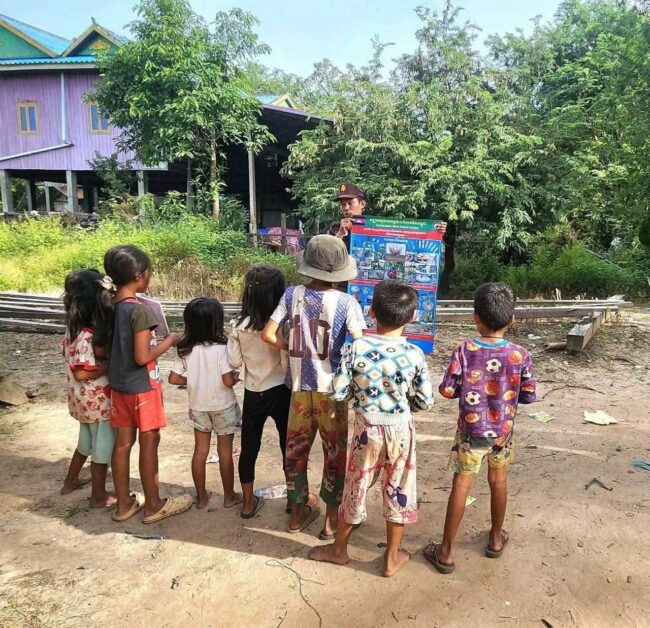
Behind every unexploded submunition is a potential threat to a human life. Behind every hectare of contaminated land may be a family unable to cultivate its fields, a child unable to return safely to school, or a displaced person unable to return home. Cluster munition contamination is therefore not merely a military issue or a technical challenge of explosive ordnance clearance. It is a humanitarian crisis, a human rights concern and a major obstacle to the recovery and restoration of entire communities.
H.E. Heng Ratana stressed that the Thai military’s dispersal of cluster munitions into areas containing schools, pagodas, villages, farmland and civilian infrastructure has left a grave humanitarian legacy and created long-term threats to human life, food security, livelihoods and Cambodia’s socio-economic development. Cluster munitions know no ceasefire: unexploded submunitions can turn homes, schools, farmland and places where children live and play into hazardous areas for this generation and generations to come.
Peace cannot be measured simply by the silence of the guns. Genuine peace must be measured by whether civilians can return safely to their homes, children can go back to school, farmers can return to their fields, and communities can live without fear that their next step could trigger an unexploded submunition. As long as cluster munition remnants remain scattered across civilian areas, the consequences of war continue even after active hostilities have ended.
Even more concerning is that the figures currently available do not yet reflect the full extent of explosive ordnance contamination. Fourteen additional villages located in frontline areas along the border remain inaccessible to technical teams for survey and impact assessment. The actual extent of contaminated land and the number of unexploded submunitions could therefore be significantly greater than what has been documented to date.
This situation also raises a fundamental question of responsibility: Who should bear responsibility for clearing the explosive remnants of war, making contaminated land safe again, assisting victims, and ensuring that civilians can return to their homes and farmland safely and with dignity? The humanitarian consequences of war should not be left for innocent civilians to bear alone.
Fighting may end in a matter of days, but the deadly legacy of cluster munitions can persist for years or even decades after the conflict. Ending a war, therefore, is not simply about stopping the shooting. It must also mean addressing and eliminating the dangers that war has left behind in the lives, homes and communities of civilians.