ឯកឧត្តម នេត្រ ភក្ត្រា៖ នៅពេលអ្នកដែលពូកែភូតកុហកបំផុតនិយាយពី «វិជ្ជាជីវៈ» និង «ការគោរពច្បាប់»ឱ្យគេស្តាប់ !!

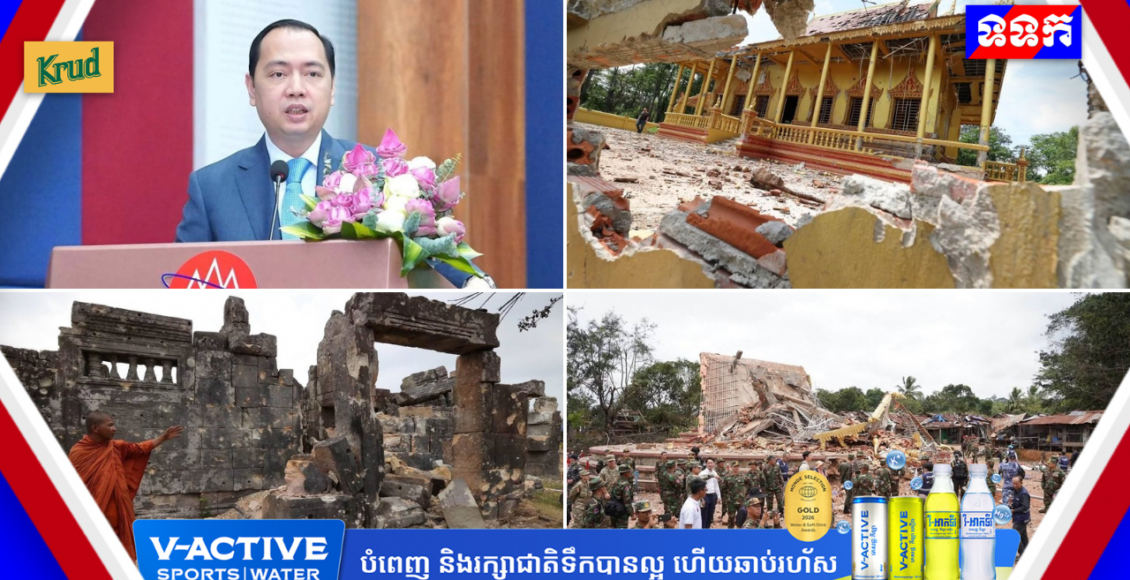
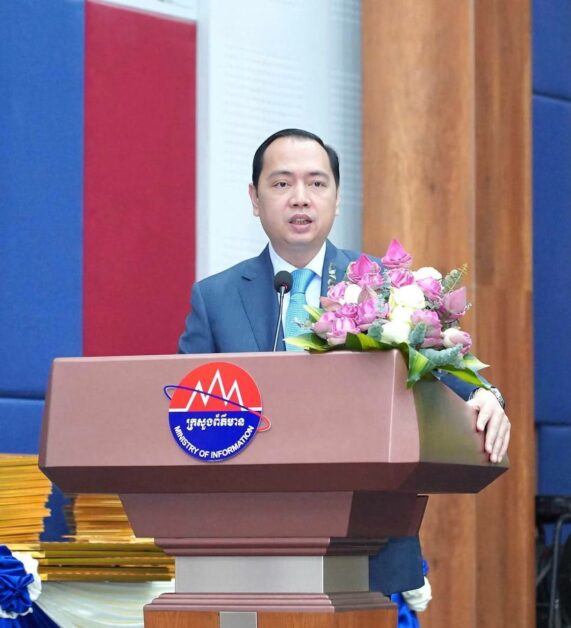
ឯកឧត្តម នេត្រ ភក្ត្រា រដ្ឋមន្ត្រីក្រសួងព័ត៌មាន៖ពាក្យទំនៀមខ្មែរពោលថា «ភូតច្រើន ចាញ់អាត្មា»។ ការភូតកុហក ការបដិសេធ និងការបង្វែរការពិតម្តងហើយម្តងទៀត មិនអាចធ្វើឱ្យអំពើខុសក្លាយជាត្រឹមត្រូវបានឡើយ។ ផ្ទុយទៅវិញ វាកាន់តែបង្ហាញថា អ្នកនិយាយមិនមានអ្វីជាអំណះអំណាងក្រៅពីការទន្ទេញពាក្យពីរោះៗដូចជា «វិជ្ជាជីវៈ» «ភាពចាំបាច់» «សមាមាត្រ» និង «ការគោរពច្បាប់អន្តរជាតិ» ខណៈសកម្មភាពជាក់ស្តែងវិញផ្ទុយស្រឡះពីពាក្យដែលបានប្រកាស។
នេះហើយជាអ្វីដែលខ្មែរយើងហៅថា «មាត់ជាទេវតា ចិត្តជាទេវទត្ត»៖ មាត់និយាយពីច្បាប់ ប៉ុន្តែសកម្មភាពរំលោភច្បាប់; មាត់និយាយពីវិជ្ជាជីវៈ ប៉ុន្តែអំពើដែលបានប្រព្រឹត្តបន្សល់ទុកការស្លាប់ ការរងរបួស ការបំផ្លិចបំផ្លាញ និងការបង្ខំឱ្យជនស៊ីវិលរាប់សែននាក់ចាកចេញពីផ្ទះសម្បែងរបស់ខ្លួន។
ក្នុងសកម្មភាពឈ្លានពានប្រដាប់អាវុធមកលើអធិបតេយ្យ និងបូរណភាពទឹកដីកម្ពុជា ដោយយកផែនទីឯកតោភាគីដែលគូសដោយខ្លួនឯងមកធ្វើជាមូលដ្ឋាន យោធាថៃបានបើកការវាយប្រហារលើកម្ពុជា ក្នុងការប៉ះទង្គិចធំទាំងពីរលើក គឺថ្ងៃទី២៤ ខែកក្កដា និងថ្ងៃទី៧ ខែធ្នូ ឆ្នាំ២០២៥។ កាលបរិច្ឆេទទាំងនេះមិនអាចលុបចេញពីកំណត់ត្រាប្រវត្តិសាស្ត្រ និងការចងចាំរបស់ប្រជាជនកម្ពុជាបានឡើយ។
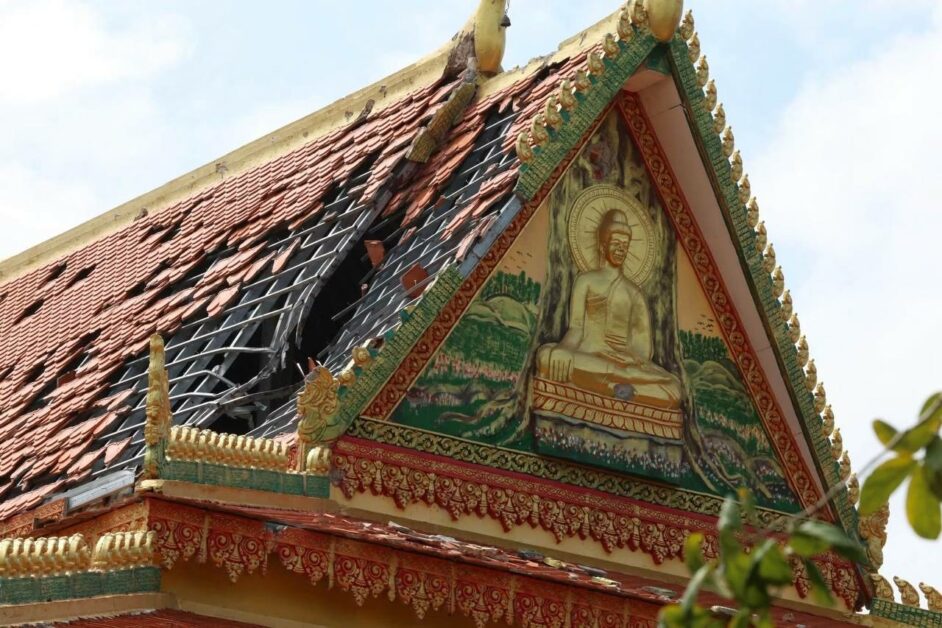
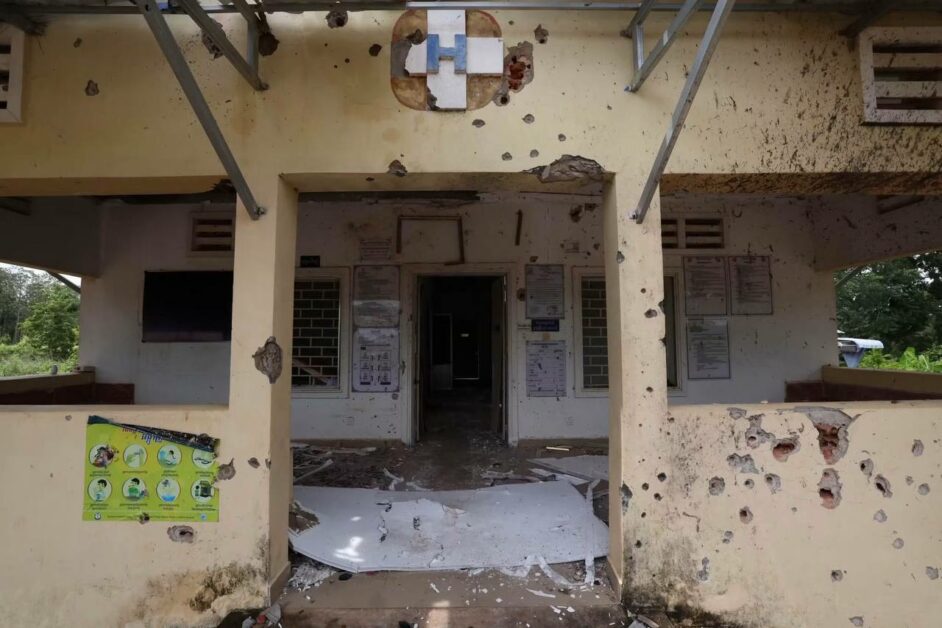
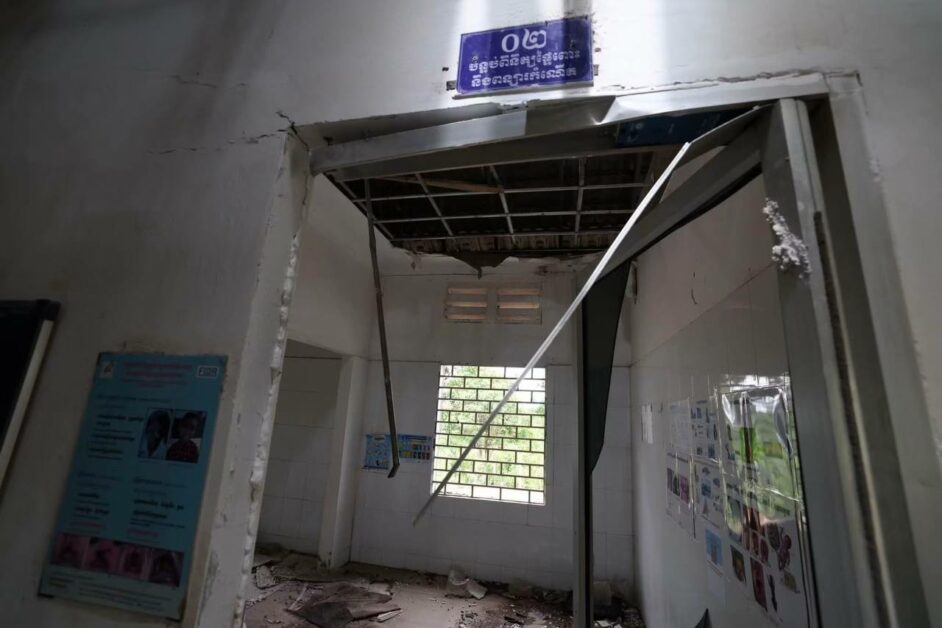
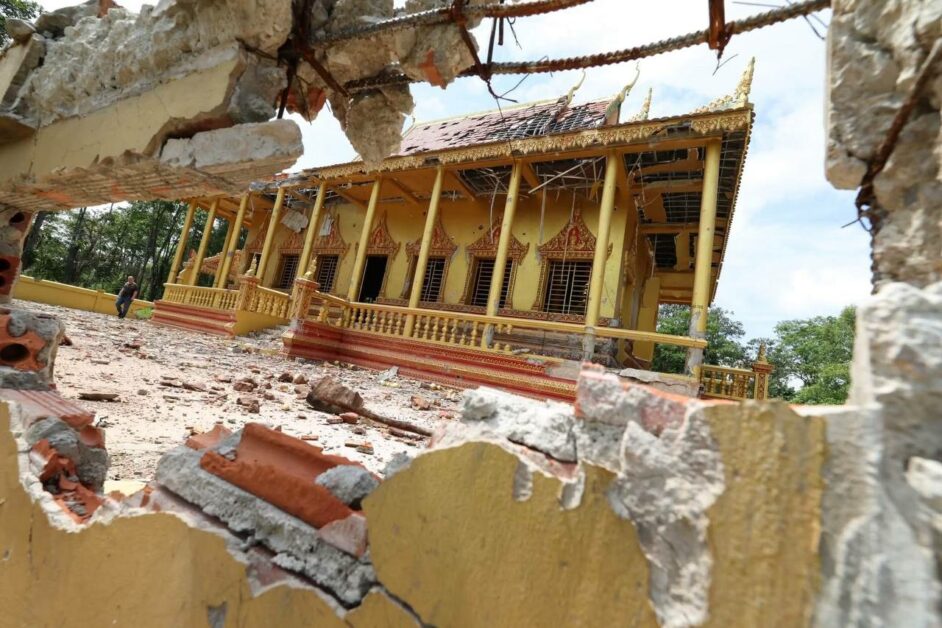
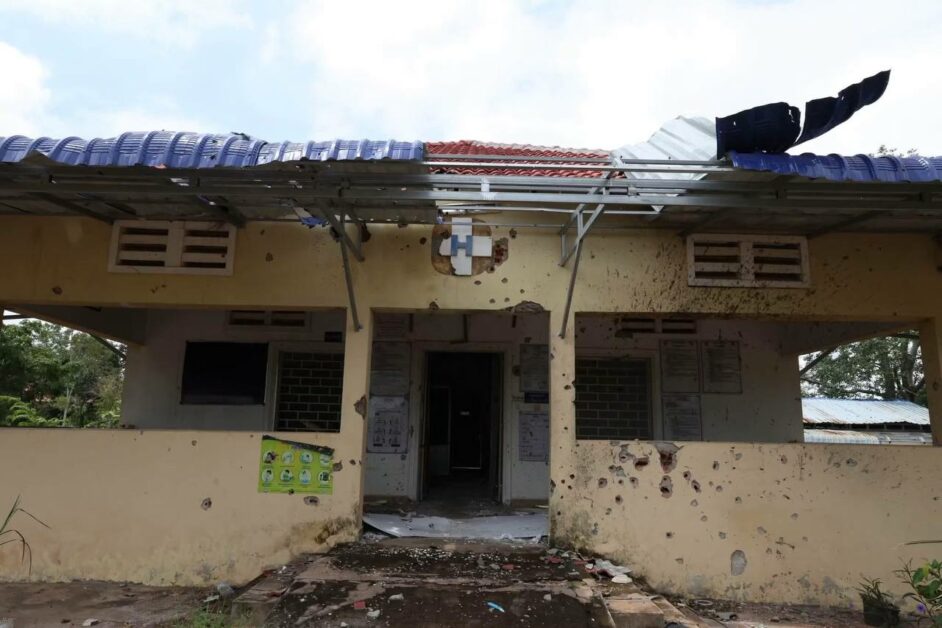
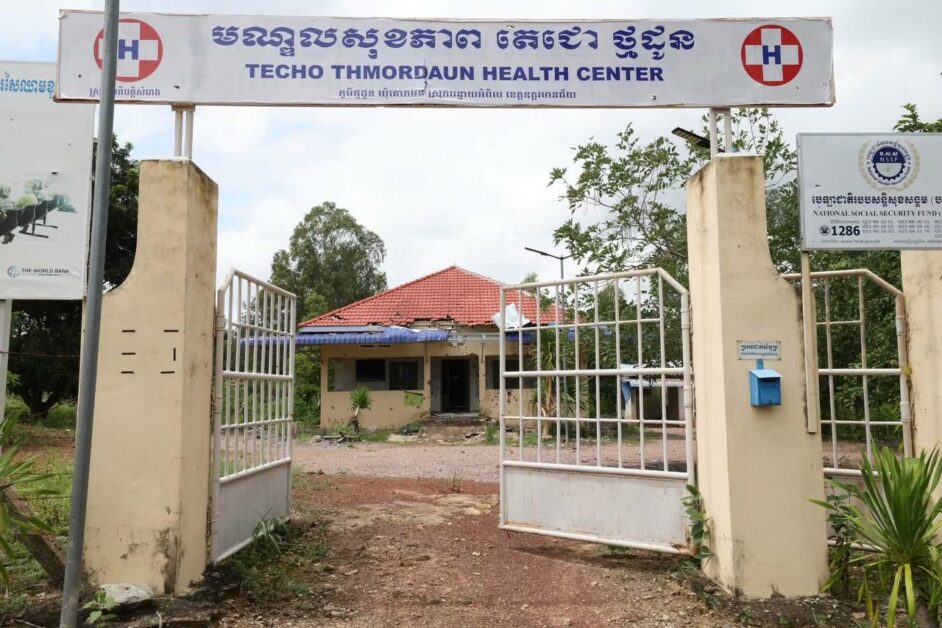
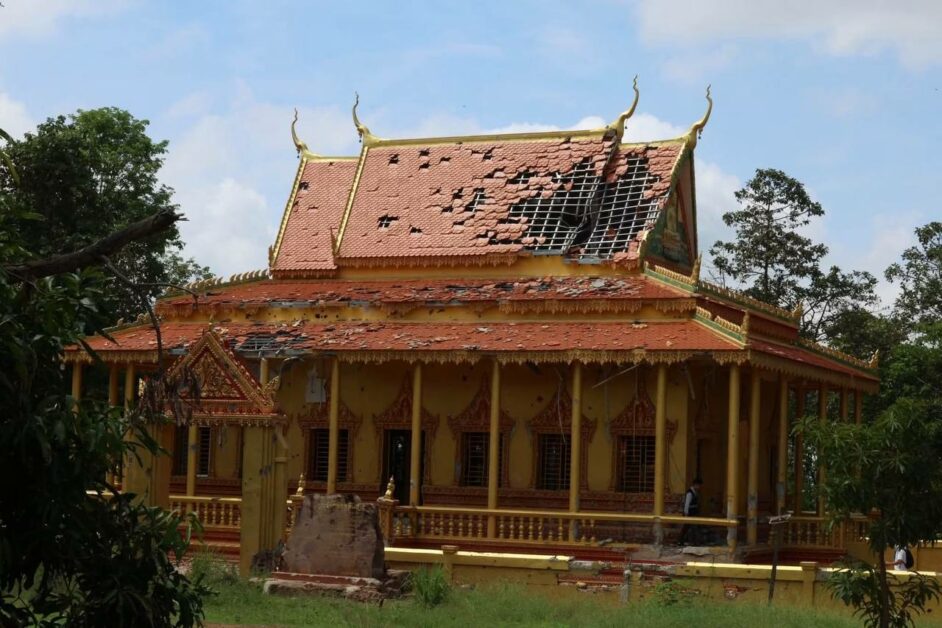
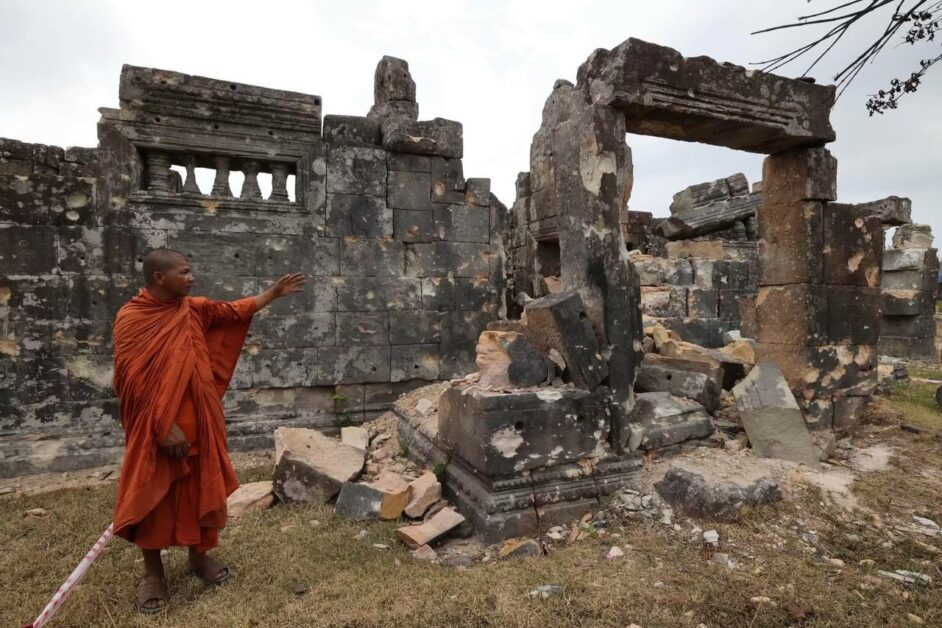
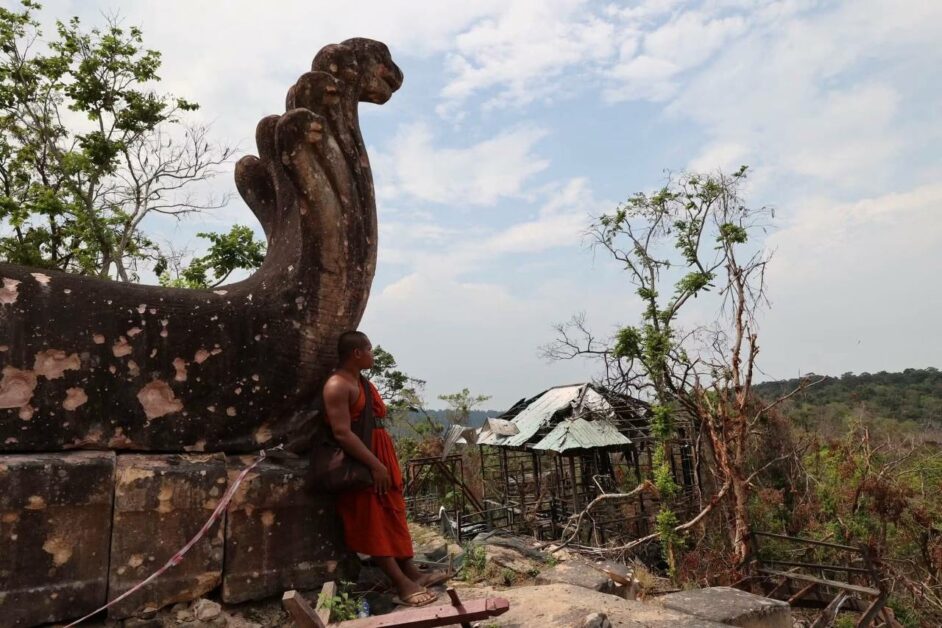
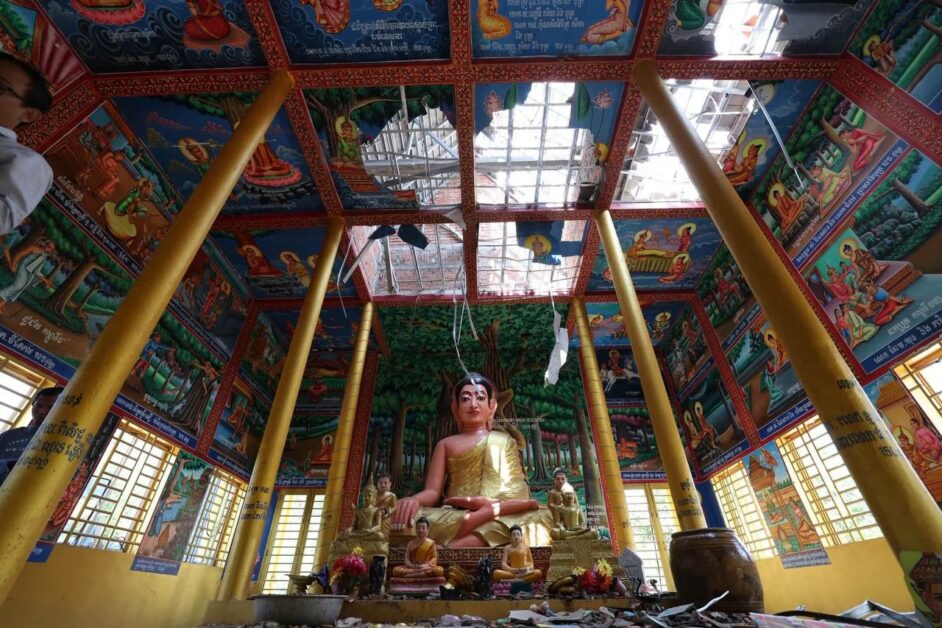
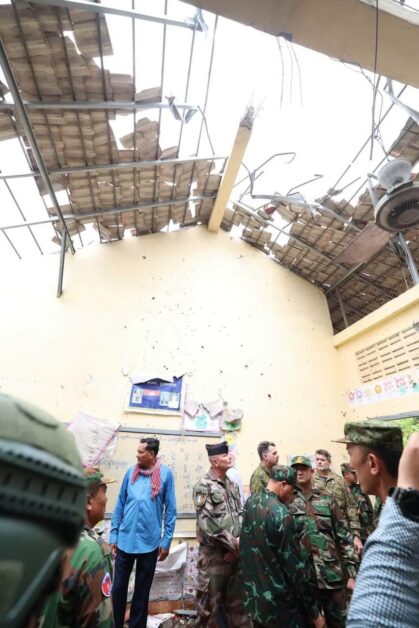
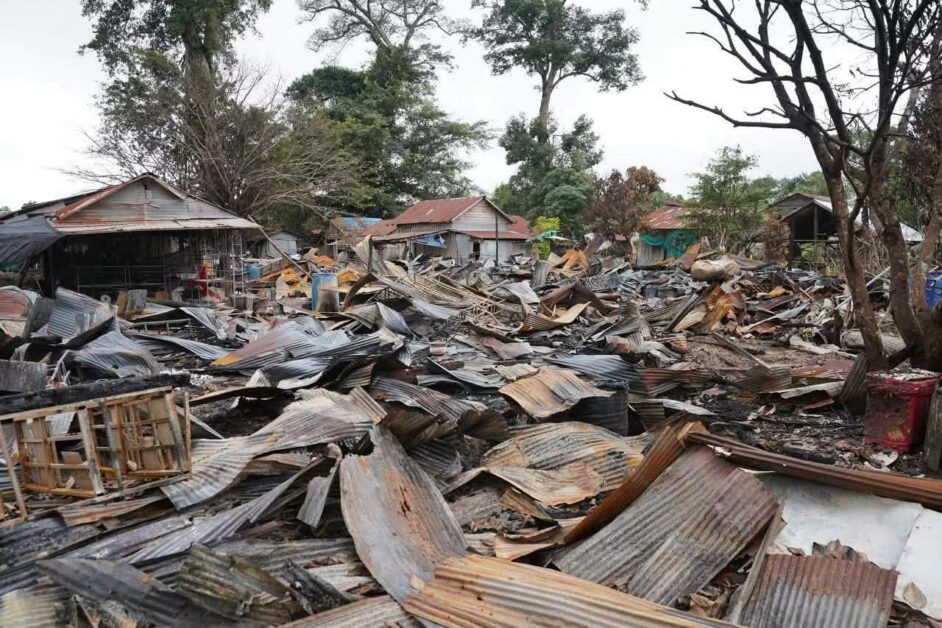
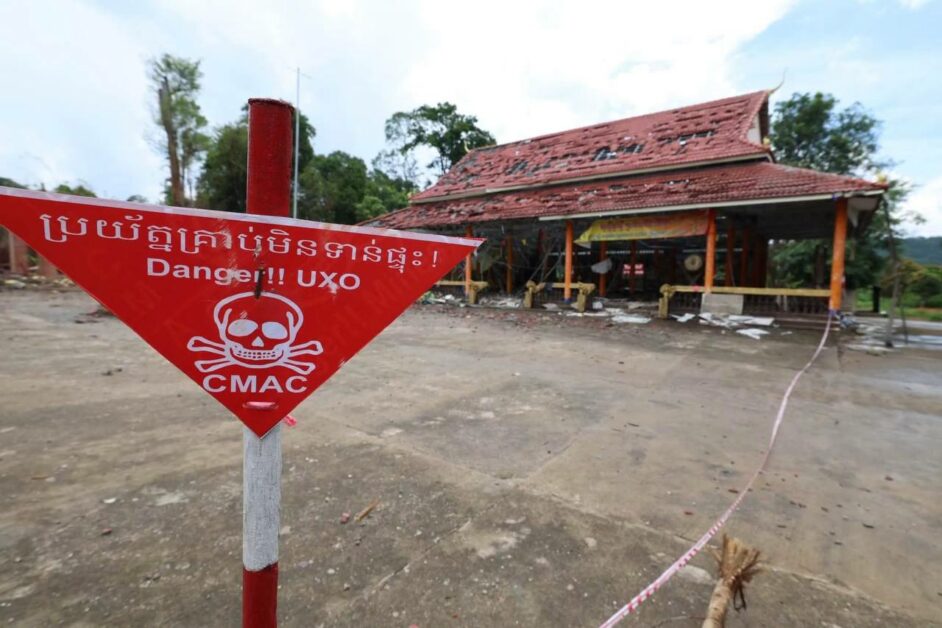
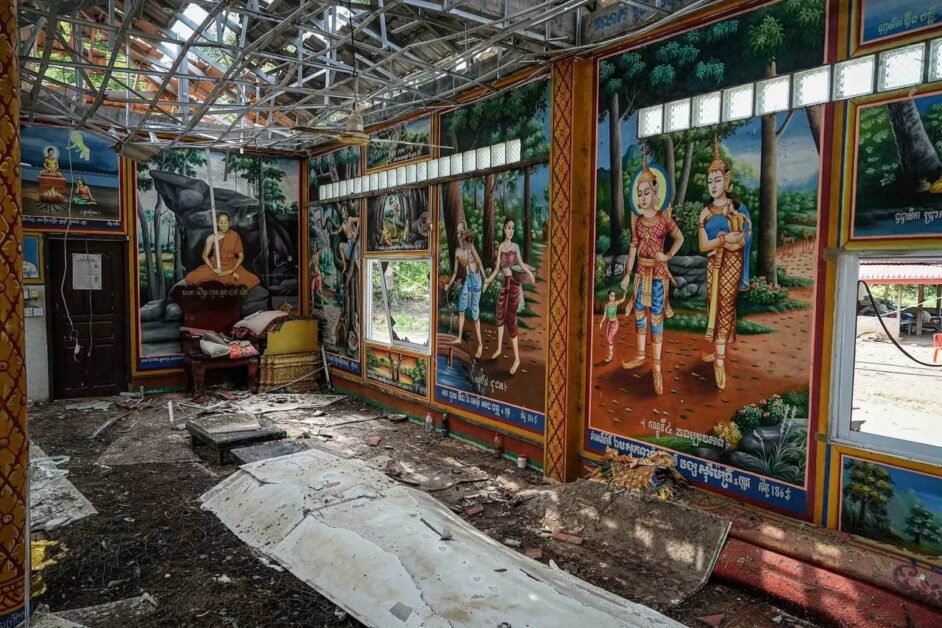
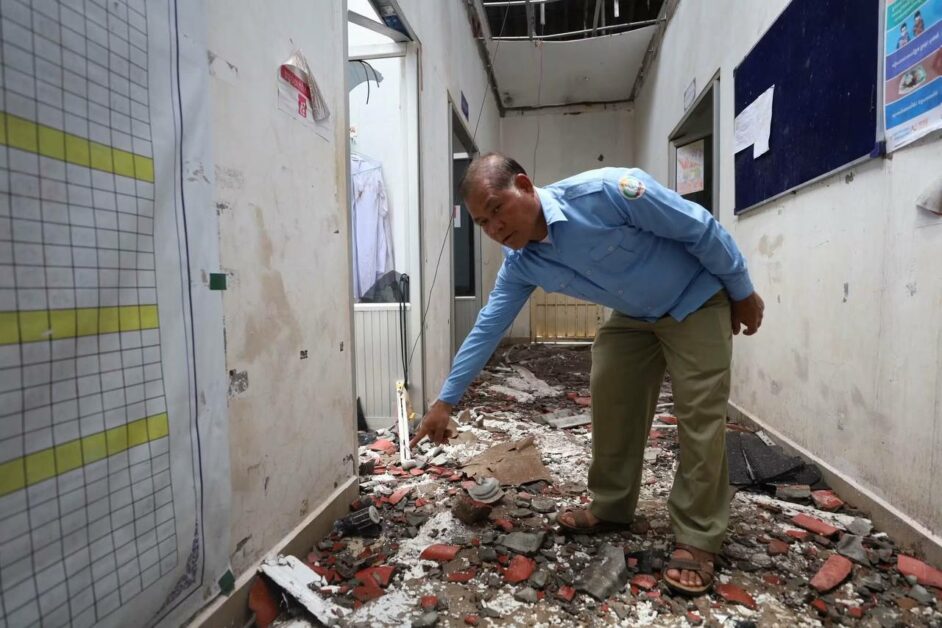
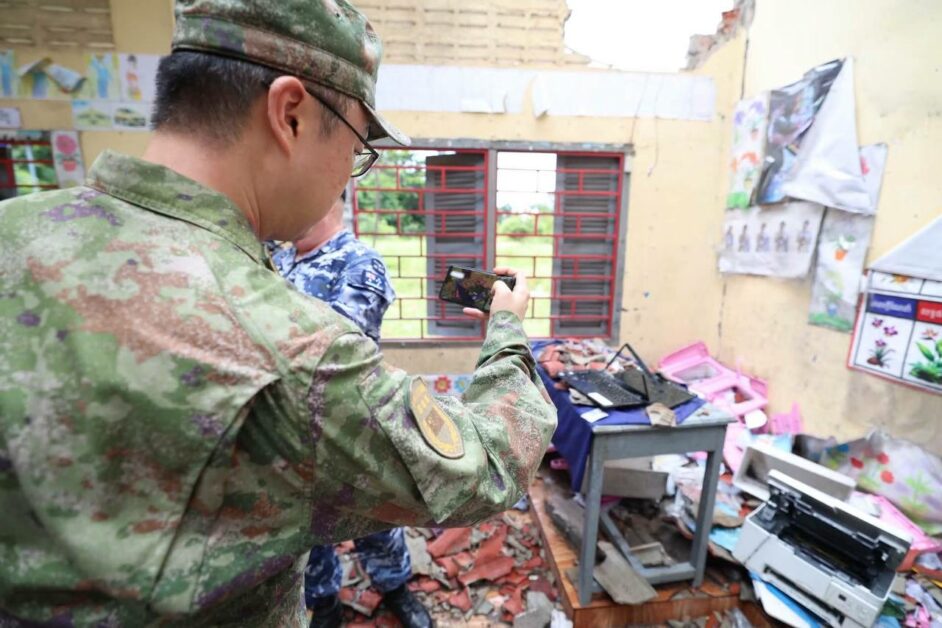
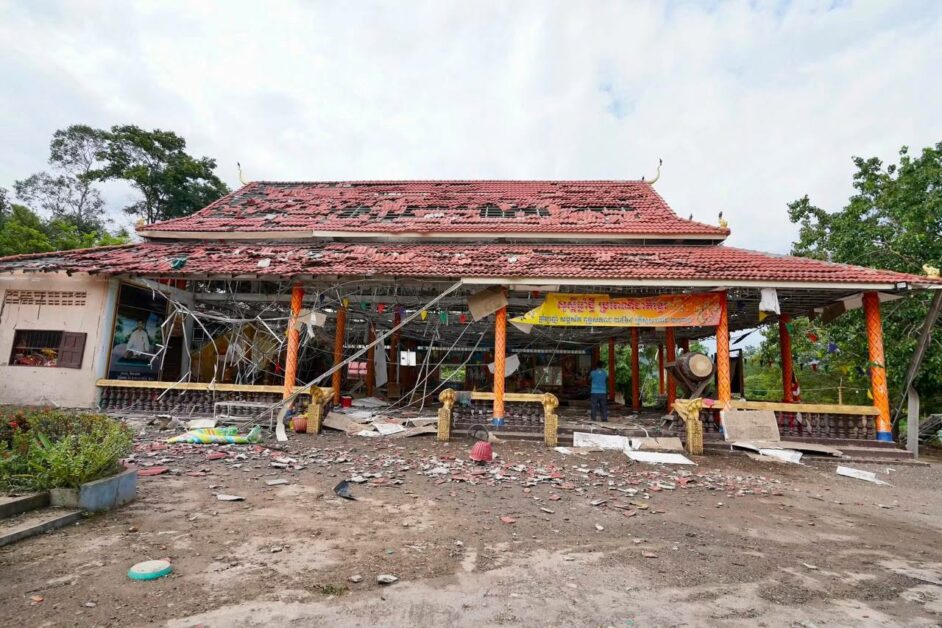
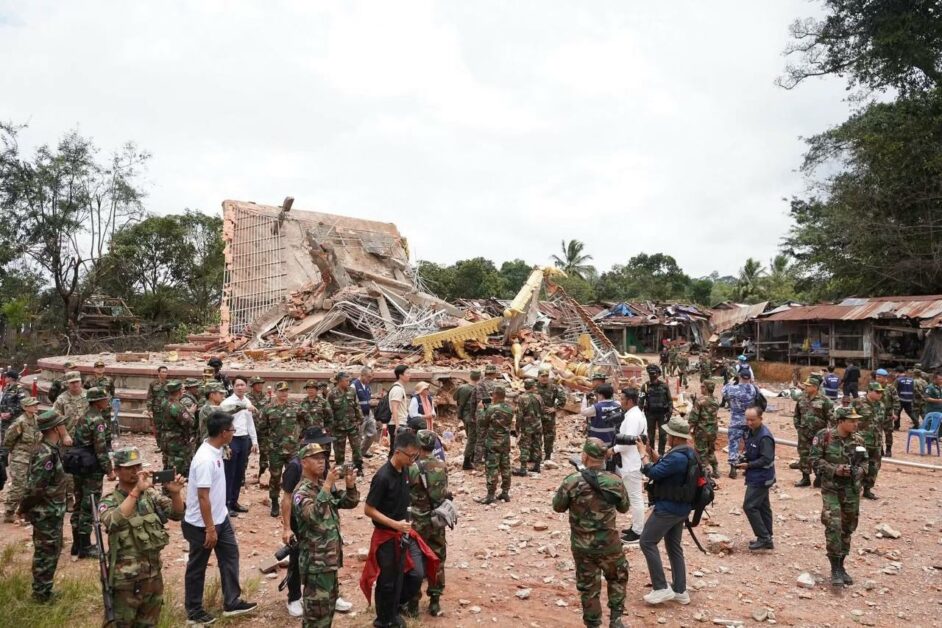
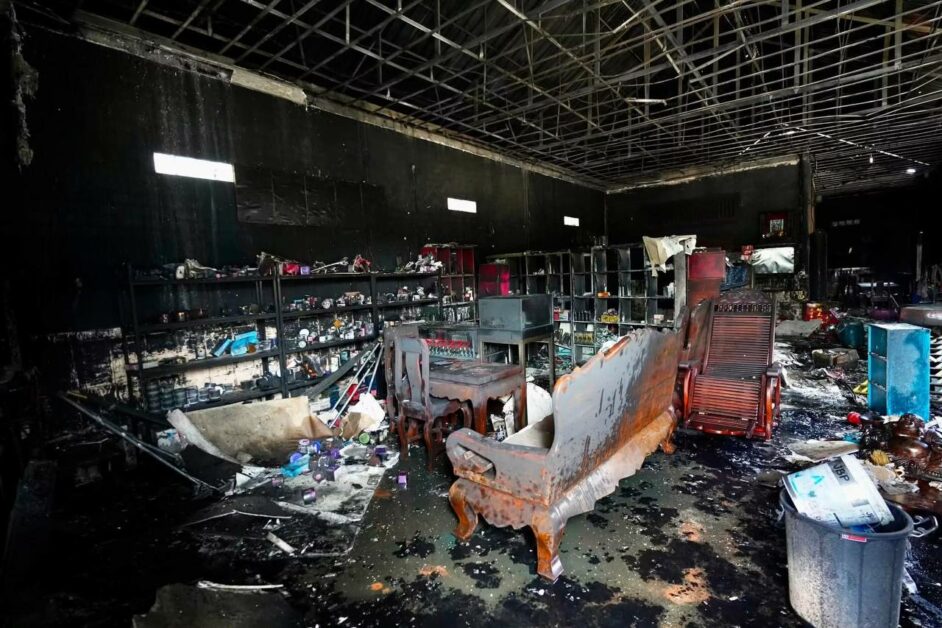
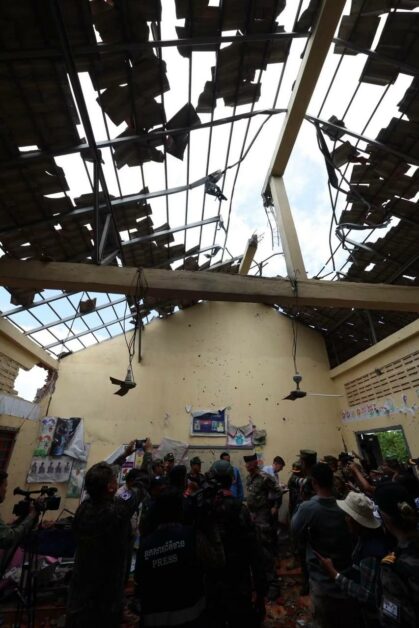
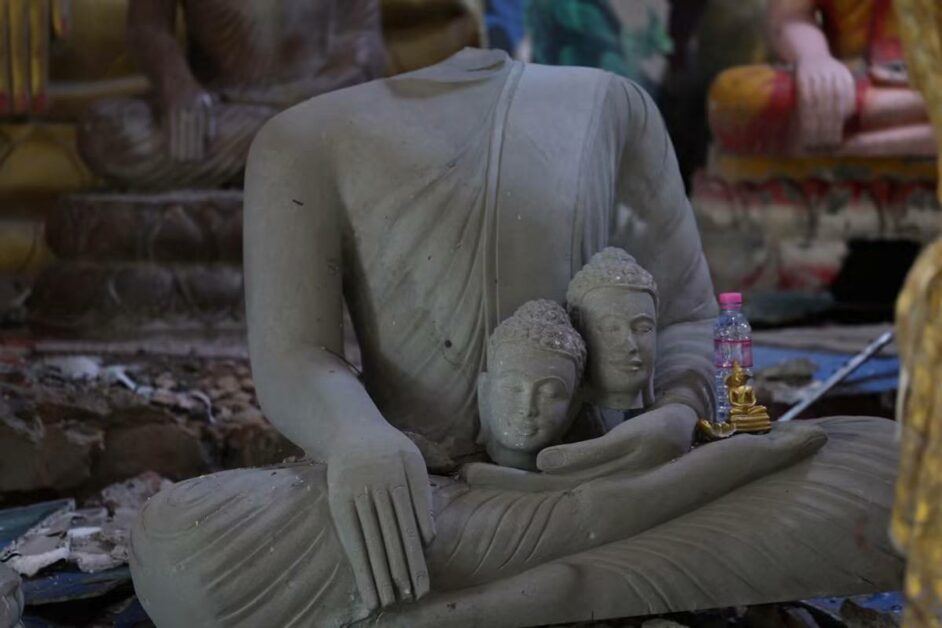
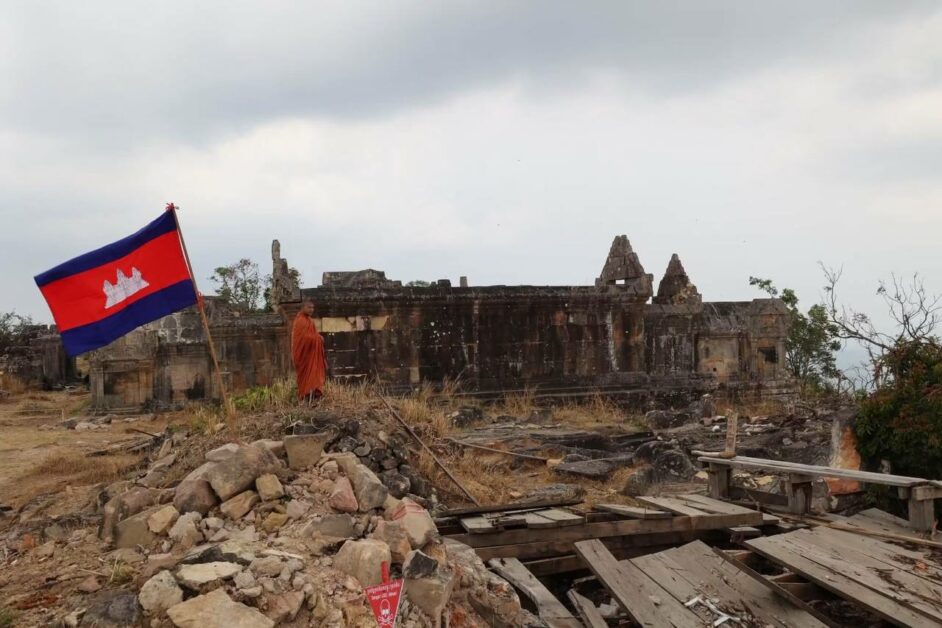
អ្វីដែលកាន់តែធ្ងន់ធ្ងរ គឺផលវិបាកនៃការវាយប្រហារបានធ្លាក់ទៅលើទីតាំងស៊ីវិលជាច្រើន៖ វត្តអារាម ប្រាង្គប្រាសាទ ផ្ទះសម្បែង សាលារៀន មន្ទីរពេទ្យ មណ្ឌលសុខភាព ស្ពាន ផ្លូវថ្នល់ និងហេដ្ឋារចនាសម្ព័ន្ធស៊ីវិលផ្សេងៗ។ ផ្ទះសម្បែងប្រជាពលរដ្ឋមួយចំនួនថែមទាំងត្រូវបានបំផ្លិចបំផ្លាញ និងឈូសកម្ទេច បន្ទាប់ពីមានកិច្ចព្រមព្រៀងបទឈប់បាញ់។
ដូច្នេះ សំណួរដែលយោធាថៃត្រូវឆ្លើយមិនមែនថា តើខ្លួនអាចប្រើពាក្យ «វិជ្ជាជីវៈ» បានប៉ុន្មានដងទៀតនោះទេ។ សំណួរពិតគឺ៖ តើជនស៊ីវិល កុមារ ស្ត្រី មនុស្សចាស់ វត្តអារាម សាលារៀន មន្ទីរពេទ្យ និងផ្ទះសម្បែងរបស់ប្រជាពលរដ្ឋ ក្លាយជាគោលដៅយោធាដោយរបៀបណា?
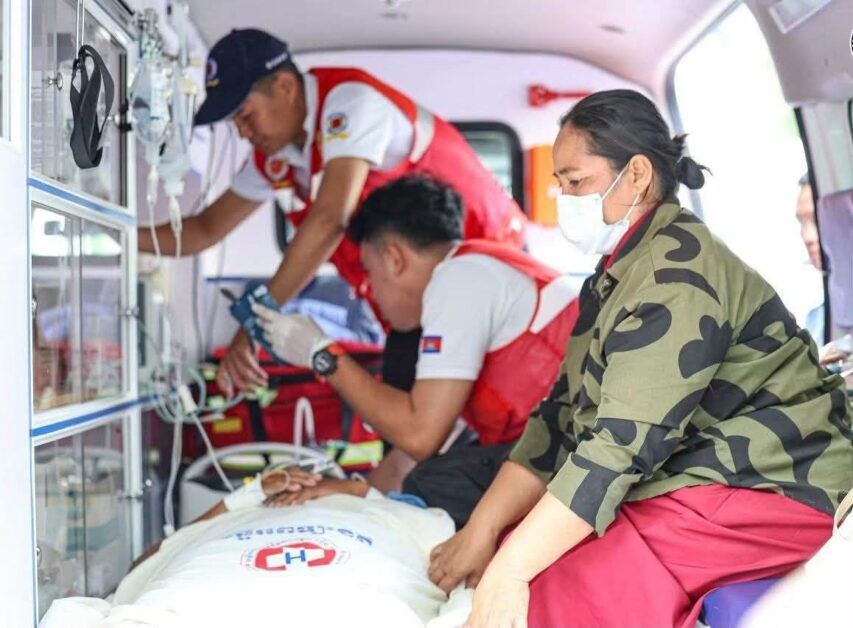
បើយោធាថៃអនុវត្តប្រតិបត្តិការប្រកបដោយវិជ្ជាជីវៈពិតប្រាកដ តើហេតុអ្វីបានជាជនស៊ីវិលកម្ពុជា ៣២ នាក់បាត់បង់ជីវិត និងជិត ១០០ នាក់រងរបួស? តើហេតុអ្វីបានជាប្រជាពលរដ្ឋរហូតដល់ប្រមាណ ៦៥០,០០០ នាក់ ត្រូវបង្ខំចិត្តចាកចេញពីផ្ទះសម្បែងនៅកម្រិតខ្ពស់បំផុតនៃវិបត្តិ ហើយរហូតមកដល់ពេលនេះ នៅមានជនភៀសសឹកជាង ២០,០០០ នាក់ទៀត ដែលមិនទាន់អាចវិលត្រឡប់ទៅកាន់ផ្ទះ ភូមិដ្ឋាន និងជីវភាពធម្មតារបស់ខ្លួនវិញបាន?
នេះមិនមែនជាសំណួរនៃវោហារសាស្ត្រទេ។ នេះជាសំណួរនៃការទទួលខុសត្រូវ។
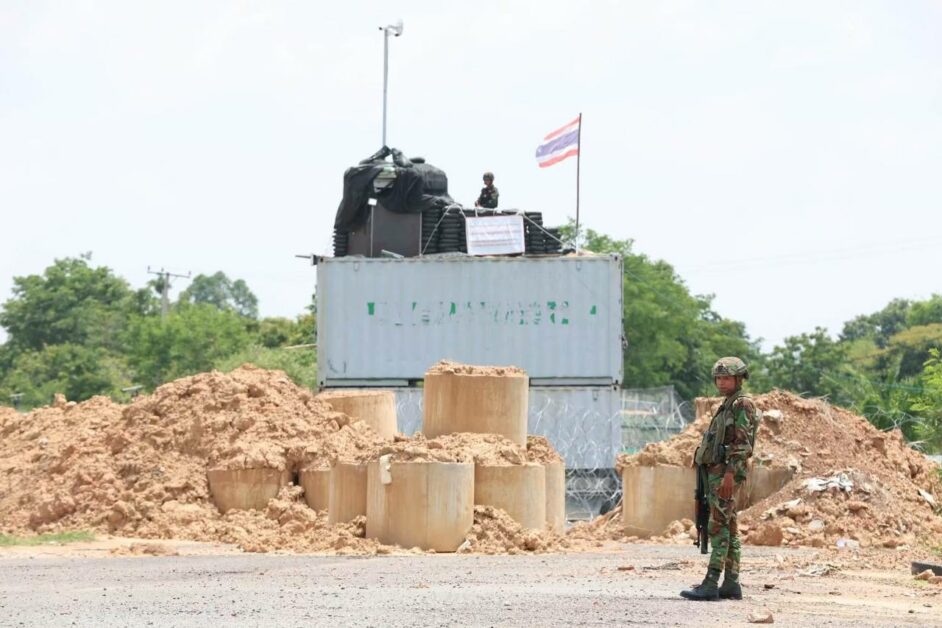
បើភាគីថៃពិតជាគោរពច្បាប់អន្តរជាតិ និងគោរពកិច្ចព្រមព្រៀងដែលខ្លួនបានចុះហត្ថលេខា នោះវិធីបង្ហាញភាពស្មោះត្រង់មិនមែនតាមរយៈសេចក្តីថ្លែងការណ៍បដិសេធទេ ប៉ុន្តែតាមរយៈ ការអនុវត្តជាក់ស្តែង៖ ដកកុងតឺន័រ ដកលួសបន្លា បើកផ្លូវ និងបញ្ឈប់រាល់សកម្មភាពដែលរារាំងប្រជាពលរដ្ឋខ្មែរមិនឱ្យវិលត្រឡប់ទៅកាន់លំនៅឋានរបស់ពួកគេ។
សិទ្ធិរបស់ជនភៀសសឹកក្នុងការវិលត្រឡប់ទៅកាន់ផ្ទះរបស់ខ្លួនដោយ សុវត្ថិភាព និងសេចក្តីថ្លៃថ្នូរ មិនមែនជាអំណោយដែលភាគីណាមួយអាចផ្តល់ ឬដកហូតតាមចិត្តបានឡើយ។ វាជាគោលការណ៍មូលដ្ឋាននៃសិទ្ធិមនុស្ស និងច្បាប់អន្តរជាតិ ដែលត្រូវបានលើកឡើងយ៉ាងច្បាស់ដោយអ្នករាយការណ៍ពិសេសអង្គការសហប្រជាជាតិ។
បើចង់បង្ហាញថាខ្លួនគោរពច្បាប់ពិតប្រាកដ ភាគីថៃក៏ត្រូវអនុវត្តដោយស្មោះត្រង់នូវកិច្ចព្រមព្រៀងថ្ងៃទី២៧ ខែធ្នូ ឆ្នាំ២០២៥ ជំរុញការវាស់វែង និងខណ្ឌសីមាព្រំដែនតាមយន្តការដែលភាគីទាំងពីរបានព្រមព្រៀង ដោយមិនបន្តពន្យារពេល មិនបង្កើតលេសថ្មីៗ និងមិនប្រើសកម្មភាពឯកតោភាគីដើម្បីបង្កើត «ការពិតនៅលើដី»។
សំខាន់ជាងនេះទៅទៀត ការដោះស្រាយព្រំដែនត្រូវផ្អែកលើមូលដ្ឋានច្បាប់ដែលមានសុពលភាព រួមមានអនុសញ្ញា និងសន្ធិសញ្ញាបារាំង–សៀម ឆ្នាំ១៩០៤ និងឆ្នាំ១៩០៧ និងលទ្ធផលនៃការកំណត់ព្រំដែនដែលជាកេរតំណែលរដ្ឋ។ ផែនទីឯកតោភាគីដែលភាគីមួយគូសដោយខ្លួនឯង មិនអាចជំនួសសន្ធិសញ្ញា មិនអាចបង្កើតអធិបតេយ្យភាព និងមិនអាចប្រែក្លាយទឹកដីរបស់អ្នកដទៃទៅជាទឹកដីរបស់ខ្លួនបានឡើយ។
ច្បាប់ត្រូវយកមក អនុវត្ត មិនមែនយកមកតុបតែងសេចក្តីថ្លែងការណ៍។
វិជ្ជាជីវៈក៏ដូចគ្នា។ វិជ្ជាជីវៈមិនមែនជាស្លាកដែលកងទ័ពអាចបិទលើខ្លួនឯង ហើយប្រកាសថាខ្លួនមាននោះទេ។ វាត្រូវបានវាស់វែងតាមរយៈអំពើ៖ ការគោរពច្បាប់អន្តរជាតិ ការការពារជនស៊ីវិល ភាពចាំបាច់ និងសមាមាត្រពិតប្រាកដ តម្លាភាព គណនេយ្យភាព និងការទទួលខុសត្រូវចំពោះផលវិបាកនៃសកម្មភាពរបស់ខ្លួន។
ហើយនៅពេលសកម្មភាពជាក់ស្តែងបន្សល់ទុករណ្តៅគ្រាប់បែក សំណង់ស៊ីវិលខូចខាត ផ្ទះសម្បែងត្រូវបំផ្លាញ ជនស៊ីវិលស្លាប់ និងរបួស និងប្រជាពលរដ្ឋរាប់ម៉ឺននាក់មិនអាចត្រឡប់ទៅផ្ទះបាន នោះការទន្ទេញពាក្យ «វិជ្ជាជីវៈ» ឬ «គោរពច្បាប់» រាប់រយដង ក៏មិនអាចលុបភស្តុតាងទាំងនោះបានដែរ។
ការពិតមិនខ្លាចការបដិសេធ។ ភស្តុតាងមិនរលាយដោយសារសេចក្តីថ្លែងការណ៍។ ហើយច្បាប់មិនអាចត្រូវបានជំនួសដោយការភូតកុហក។
បើចង់បង្ហាញថាខ្លួនគោរពច្បាប់ សូមគោរពវាដោយសកម្មភាព។
បើចង់បង្ហាញថាខ្លួនមានវិជ្ជាជីវៈ សូមបង្ហាញវាដោយការទទួលខុសត្រូវ។
បើចង់និយាយពីសន្តិភាព សូមចាប់ផ្តើមពីការអនុញ្ញាតឱ្យជនស៊ីវិលវិលត្រឡប់ទៅផ្ទះរបស់ពួកគេ។
ព្រោះនៅទីបំផុត ភស្តុតាងមានទម្ងន់ធ្ងន់ជាងសេចក្តីបដិសេធ ការអនុវត្តមានតម្លៃជាងពាក្យសម្តី ហើយការពិតតែងតែរស់បានយូរជាងការភូតកុហក។
When Those Who Excel at Lying Speak of “Professionalism” and “Respect for the Law”
There is a Cambodian saying: “The more one lies, the more one defeats oneself.” Repeated lies, denials, and distortions of the truth cannot turn wrongdoing into right. On the contrary, they increasingly reveal that those making such claims have little to rely on beyond repeatedly invoking fine-sounding words such as “professionalism,” “necessity,” “proportionality,” and “respect for international law,” while their actual conduct stands in stark contradiction to those words.
This is precisely what Cambodians describe as “speaking like an angel while acting with malicious intent.” They speak of law while violating it; they speak of professionalism while their actions leave behind death, injury, destruction, and hundreds of thousands of civilians forced from their homes.
In the course of its armed aggression against Cambodia’s sovereignty and territorial integrity, based on a unilaterally drawn map, the Thai military launched attacks against Cambodia during the two major rounds of hostilities, on 24 July and 7 December 2025. These dates cannot simply be erased from the historical record or from the memory of the Cambodian people.
More seriously, the consequences of those attacks fell upon numerous civilian sites: pagodas, ancient temples, homes, schools, hospitals, health centres, bridges, roads, and other civilian infrastructure. Civilian homes were also destroyed and bulldozed, including after ceasefire arrangements had been reached.
The question the Thai military must answer, therefore, is not how many more times it can repeat the word “professionalism.” The real question is: How could civilians, children, women, the elderly, pagodas, schools, hospitals, and civilian homes become military targets?
If the Thai military truly conducted its operations professionally, why did 32 Cambodian civilians lose their lives and nearly 100 others suffer injuries? Why were approximately 650,000 people forced from their homes at the height of the crisis? And why, even today, do more than 20,000 displaced Cambodian civilians remain unable to return to their homes, villages, and normal lives?
This is not a rhetorical question. It is a question of accountability.
If Thailand genuinely respects international law and the agreements to which it has committed itself, then sincerity should not be demonstrated through statements of denial, but through concrete action: remove the shipping containers, dismantle the barbed wire, reopen access routes, and end all actions preventing displaced Cambodian civilians from returning to their homes.
The right of displaced persons to return to their homes in safety, voluntarily, and with dignity is not a favour that any party may grant or withhold at will. It is grounded in fundamental principles of human rights and international law, and it has been clearly underscored by the United Nations Special Rapporteur.
If Thailand wishes to demonstrate genuine respect for the law, it should also faithfully implement the commitments of 27 December 2025 and advance border survey and demarcation through the mechanisms agreed by both sides—without further delay, without inventing new excuses, and without taking unilateral actions designed to create new “facts on the ground.”
More importantly, the settlement of the boundary must be based on valid legal instruments, including the 1904 Franco-Siamese Convention, the 1907 Franco-Siamese Treaty, and the resulting boundary arrangements inherited by the successor states. A map unilaterally drawn by one party cannot replace treaties, cannot by itself create sovereignty, and cannot transform another country’s territory into its own.
Law must be implemented, not merely displayed in press statements.
The same applies to professionalism.
Professionalism is not a label that an army can simply attach to itself and then declare that it possesses. It must be demonstrated through conduct: respect for international law, protection of civilians, genuine necessity and proportionality, transparency, accountability, and responsibility for the consequences of one’s actions.
When the reality on the ground includes bomb craters, damaged civilian infrastructure, destroyed homes, civilians killed and injured, and tens of thousands of people still unable to return home, repeating the words “professionalism” and “respect for international law” a hundred times cannot erase that evidence.
Truth does not fear denial. Evidence does not disappear because of a press statement. And law cannot be replaced by falsehoods.
If you want to demonstrate respect for the law, respect it through your actions.
If you want to demonstrate professionalism, show it through accountability.
If you want to speak of peace, start by allowing civilians to return to their homes.
Because, in the end, evidence carries more weight than denial, actions matter more than words, and truth will always outlive a lie.