ឯកឧត្តម នេត្រ ភក្ត្រា៖ កុងតឺន័រ និងលួសបន្លា មិនមែនជាខ្សែបន្ទាត់ព្រំដែនទេ ហើយកម្លាំងយោធាមិនអាចកែប្រែព្រំដែនអន្តរជាតិបានឡើយ
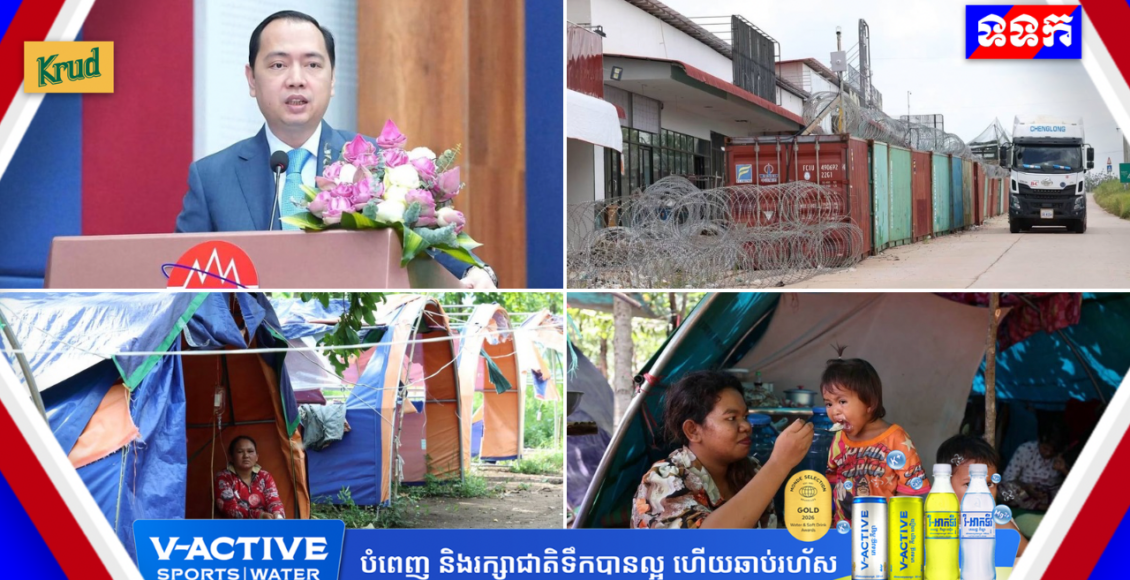
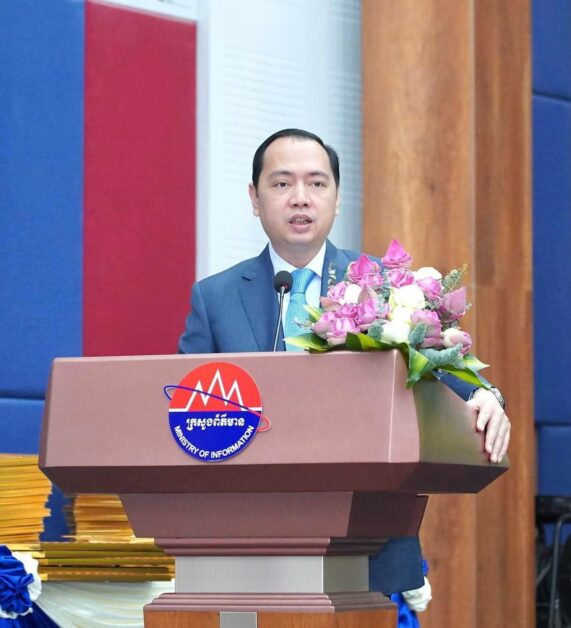
ឯកឧត្តម នេត្រ ភក្ត្រា រដ្ឋមន្ត្រីក្រសួងព័ត៌មាន៖ សង្គ្រាមឈ្លានពានរបស់យោធាថៃមកលើអធិបតេយ្យ និងបូរណភាពទឹកដីកម្ពុជាចំនួនពីរលើកក្នុងឆ្នាំ២០២៥ បានបង្កឱ្យមានវិបត្តិមនុស្សធម៌ដ៏ធ្ងន់ធ្ងរ ដោយមានប្រជាពលរដ្ឋកម្ពុជាប្រមាណ ៦៥០ ០០០ នាក់ ត្រូវបង្ខំចិត្តចាកចេញពីផ្ទះសម្បែង និងភូមិដ្ឋានរបស់ខ្លួន ដើម្បីគេចចេញពីគ្រោះថ្នាក់នៃសង្គ្រាម។
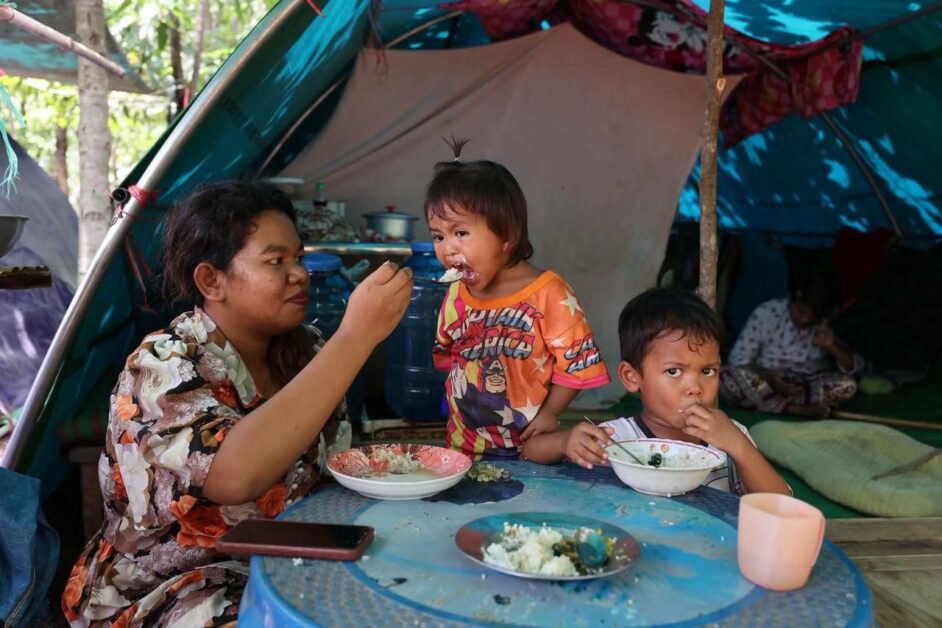
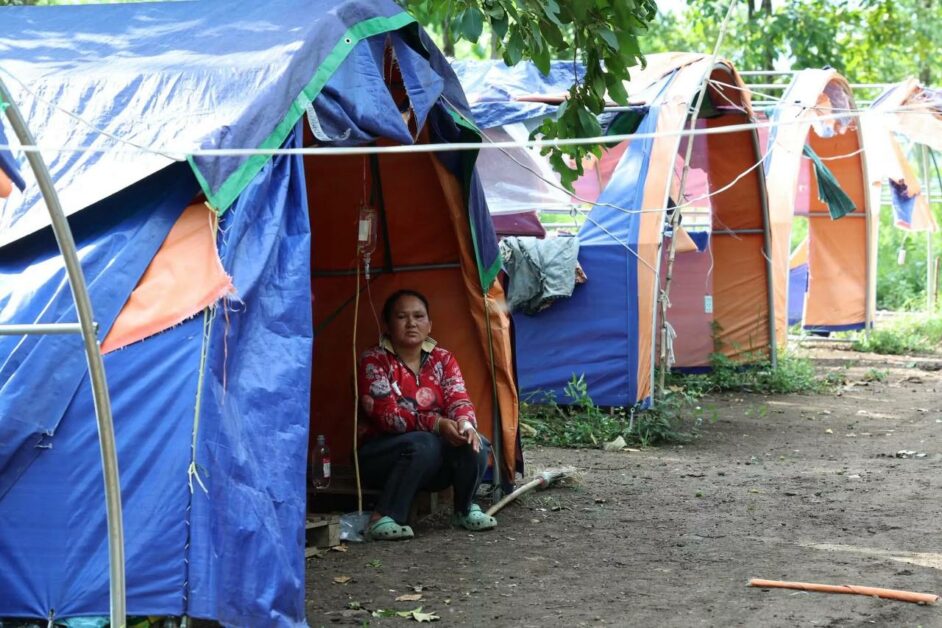
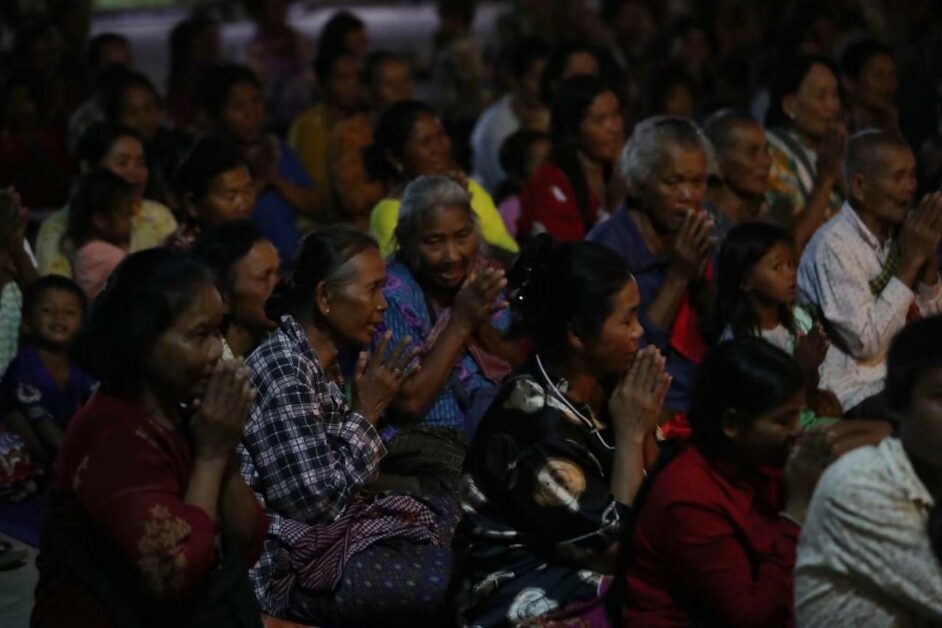
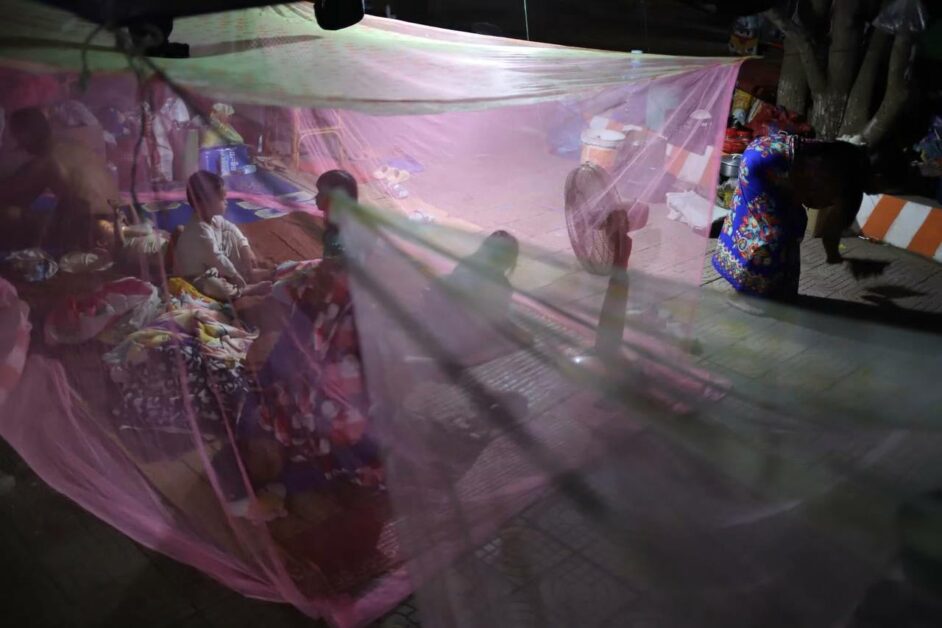
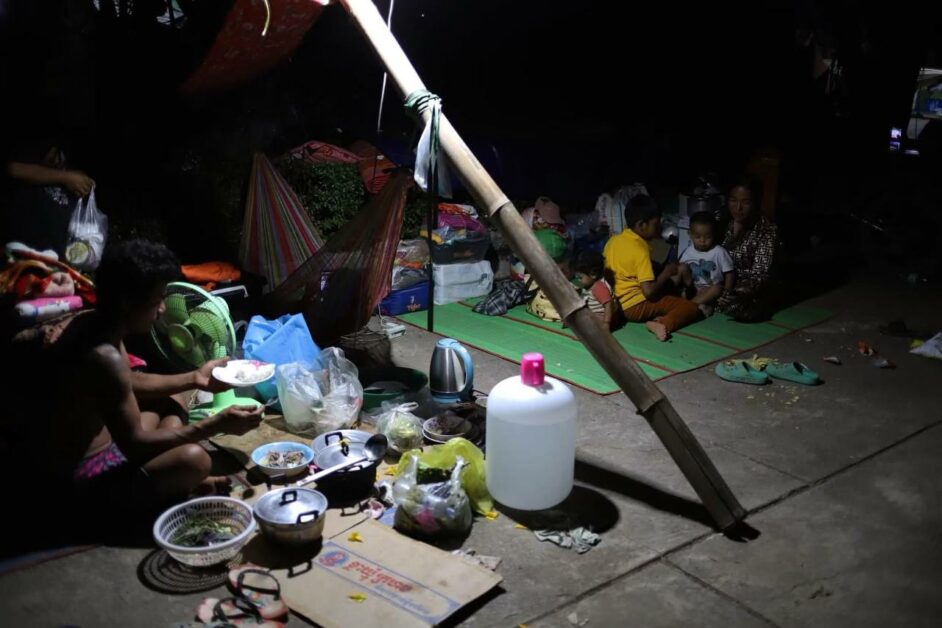
រហូតមកដល់ពេលនេះ ទោះបីបទឈប់បាញ់បានចូលជាធរមានជាង ៧ ខែហើយក៏ដោយ ក៏ប្រជាពលរដ្ឋកម្ពុជាប្រមាណ ២០ ០០០ នាក់ នៅតែមិនអាចវិលត្រឡប់ទៅកាន់ផ្ទះសម្បែង និងជីវភាពប្រក្រតីរបស់ពួកគេវិញបាន។ ក្នុងចំណោមពួកគេ មាន ស្ត្រី ១០ ០១៣ នាក់ និងកុមារ ៦ ០៦៦ នាក់ ដែលកំពុងបន្តរស់នៅក្នុងជំរុំជនភៀសសឹក និងទីជម្រកបណ្តោះអាសន្ន។
នៅពីក្រោយតួលេខទាំងនេះ គឺជាជីវិតមនុស្សពិតប្រាកដ។ គឺជាម្តាយដែលមិនអាចនាំកូនត្រឡប់ទៅផ្ទះបាន។ គឺជាកុមារដែលមិនអាចត្រឡប់ទៅសាលារៀនរបស់ខ្លួនបាន។ គឺជាគ្រួសារដែលបាត់បង់ផ្ទះសម្បែង ទ្រព្យសម្បត្តិ មុខរបរ និងជីវភាពប្រចាំថ្ងៃ។ នេះមិនមែនគ្រាន់តែជាបញ្ហាតួលេខទេ ប៉ុន្តែជាបញ្ហាសិទ្ធិមនុស្ស មនុស្សធម៌ និងការទទួលខុសត្រូវ។
ស្ត្រី និងកុមារគឺជាក្រុមដែលត្រូវទទួលបានការការពារជាពិសេសក្រោមគោលការណ៍សិទ្ធិមនុស្ស និងច្បាប់មនុស្សធម៌អន្តរជាតិ។ ប៉ុន្តែសំណួរដែលត្រូវឆ្លើយនៅពេលនេះគឺ៖ ហេតុអ្វីបានជាស្ត្រី និងកុមារកម្ពុជារាប់ពាន់នាក់ទាំងនេះ នៅតែមិនអាចត្រឡប់ទៅផ្ទះរបស់ពួកគេវិញ?
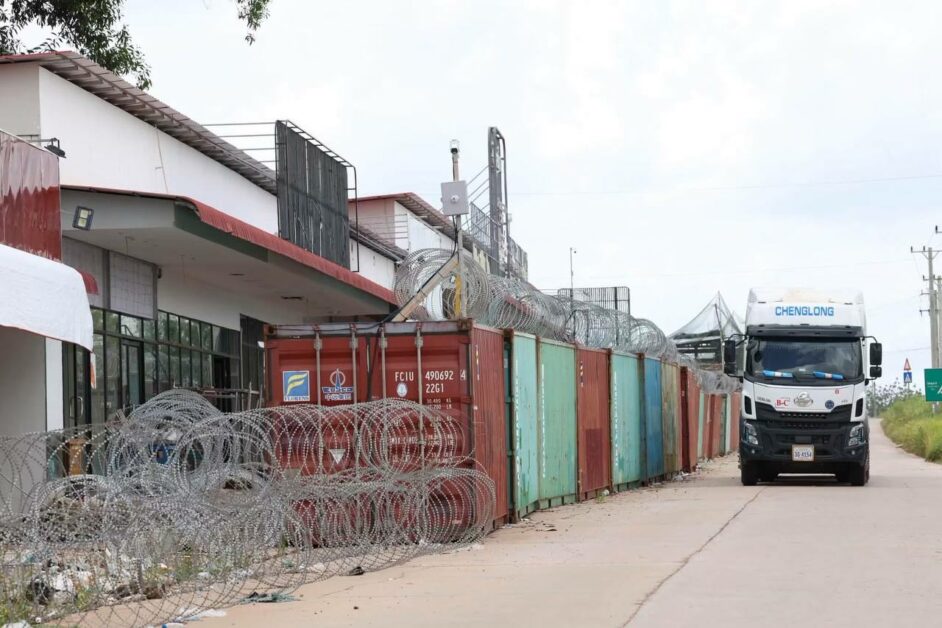
មូលហេតុគឺដោយសារនៅតំបន់មួយចំនួន យោធាថៃបានដាក់កុងតឺន័រ រាយលួសបន្លា បិទផ្លូវចូលទៅកាន់ភូមិដ្ឋាន ខណៈផ្ទះសម្បែង និងហេដ្ឋារចនាសម្ព័ន្ធស៊ីវិលមួយចំនួនត្រូវបានបំផ្លាញ។ ឧបសគ្គទាំងនេះបានធ្វើឱ្យប្រជាពលរដ្ឋកម្ពុជាបន្តរស់នៅក្នុងស្ថានភាពភៀសសឹក ទោះបីការប្រយុទ្ធបានបញ្ឈប់អស់រយៈពេលជាច្រើនខែមកហើយក៏ដោយ។
អ្នករាយការណ៍ពិសេសរបស់អង្គការសហប្រជាជាតិបានលើកឡើងយ៉ាងច្បាស់អំពីសិទ្ធិរបស់ប្រជាពលរដ្ឋដែលត្រូវបានផ្លាស់ទីលំនៅក្នុងការវិលត្រឡប់ទៅកាន់ផ្ទះ និងសហគមន៍របស់ពួកគេវិញ ដោយសុវត្ថិភាព និងប្រកបដោយសេចក្តីថ្លៃថ្នូរ។
ភាគីថៃអាចជជែក ឬព្យាយាមបដិសេធអំពីចំនួនជនភៀសសឹក ប៉ុន្តែមិនអាចបដិសេធអត្ថិភាពនៃជនភៀសសឹកបានឡើយ។ ជាក់ស្តែង សេចក្តីថ្លែងការណ៍របស់ក្រសួងការបរទេសថៃ និងយោធាថៃខ្លួនឯងក៏បានទទួលស្គាល់ថា មានប្រជាពលរដ្ឋកម្ពុជាដែលមិនទាន់អាចវិលត្រឡប់ទៅផ្ទះរបស់ពួកគេវិញ។ ដូច្នេះ ការជជែកអំពីតួលេខមិនអាចក្លាយជាលេសសម្រាប់ការពន្យារពេលសិទ្ធិរបស់មនុស្សបានឡើយ។
បើភាគីថៃទទួលស្គាល់ថា មានប្រជាពលរដ្ឋកម្ពុជាដែលនៅតែស្ថិតក្នុងស្ថានភាពភៀសសឹក នោះសំណួរសំខាន់មិនមែនថា «មានប៉ុន្មាននាក់?» ទៀតទេ។ សំណួរដែលត្រូវឆ្លើយគឺ៖ តើពេលណាពួកគេអាចត្រឡប់ទៅផ្ទះរបស់ពួកគេវិញដោយសុវត្ថិភាព និងសេចក្តីថ្លៃថ្នូរ? ហើយតើអ្វីកំពុងរារាំងពួកគេមិនឱ្យត្រឡប់ទៅវិញ?
ការឆ្លើយតបត្រូវតែជាសកម្មភាពជាក់ស្តែង។ ត្រូវគោរពច្បាប់អន្តរជាតិ គោរពសិទ្ធិមនុស្ស និងអនុវត្តឱ្យបានពេញលេញនូវសេចក្តីប្រកាសរួមនៃកិច្ចប្រជុំវិសាមញ្ញគណៈកម្មាធិការព្រំដែនទូទៅ (GBC) ចុះថ្ងៃទី២៧ ខែធ្នូ ឆ្នាំ២០២៥ ជាពិសេសការបង្កលក្ខខណ្ឌឱ្យប្រជាពលរដ្ឋដែលរងផលប៉ះពាល់អាចវិលត្រឡប់ទៅកាន់ផ្ទះសម្បែង និងភូមិដ្ឋានរបស់ពួកគេវិញដោយសុវត្ថិភាព និងសេចក្តីថ្លៃថ្នូរ។
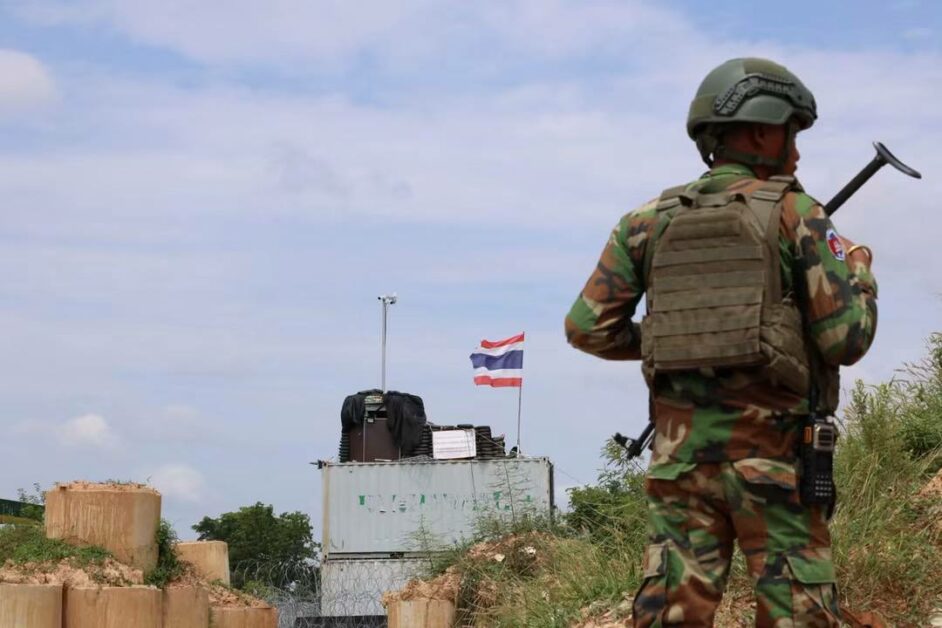
ជាមួយគ្នានេះ យោធាថៃមិនអាចយក ផែនទីឯកតោភាគី ដែលរៀបចំឡើងដោយខ្លួនឯង មកធ្វើជាមូលដ្ឋានសម្រាប់ប្រើកម្លាំង ចូលកាន់កាប់ ឬព្យាយាមកែប្រែស្ថានភាពព្រំដែនជាក់ស្តែងបានឡើយ។
ព្រំដែនកម្ពុជា-ថៃ គឺជាព្រំដែនអន្តរជាតិ មិនមែនជាខ្សែបន្ទាត់ដែលភាគីណាមួយអាចគូសឡើងដោយឯកតោភាគី ឬផ្លាស់ប្តូរតាមកម្លាំងយោធាបានទេ។ ខ្សែបន្ទាត់ព្រំដែនមានមូលដ្ឋានលើសន្ធិសញ្ញា អនុសញ្ញា កិច្ចព្រមព្រៀង ផែនទី និងកំណត់ហេតុពាក់ព័ន្ធនឹងការកំណត់ និងការបោះបង្គោលព្រំដែនដែលភាគីទាំងពីរត្រូវគោរពតាមច្បាប់អន្តរជាតិ និងយន្តការដែលបានព្រមព្រៀងគ្នា។
គោលការណ៍ជាមូលដ្ឋាននៃច្បាប់អន្តរជាតិគឺច្បាស់លាស់៖ មិនអាចប្រើប្រាស់កម្លាំងដើម្បីដណ្តើមយកទឹកដី ឬបង្កើតខ្សែបន្ទាត់ព្រំដែនថ្មីបានឡើយ។ អ្វីដែលមិនអាចសម្រេចបានតាមច្បាប់ ក៏មិនអាចធ្វើឱ្យស្របច្បាប់តាមរយៈកម្លាំងយោធាបានដែរ។
កម្ពុជាមិនទទួលស្គាល់ និងមិនអាចទទួលយកខ្សែបន្ទាត់ព្រំដែនណាមួយដែលត្រូវបានបង្កើត ឬកែប្រែដោយការប្រើកម្លាំង ការដាក់របាំង ឬសកម្មភាពឯកតោភាគីឡើយ។
កុងតឺន័រមិនមែនជាបង្គោលព្រំដែន។ លួសបន្លាមិនមែនជាខ្សែបន្ទាត់ព្រំដែន។ ការដាក់កម្លាំងយោធាមិនអាចបង្កើតអធិបតេយ្យភាពបានឡើយ។ ហើយផែនទីឯកតោភាគីមិនអាចជំនួសសន្ធិសញ្ញា កិច្ចព្រមព្រៀង និងច្បាប់អន្តរជាតិបានទេ។
ប្រសិនបើភាគីថៃពិតជាគោរពសិទ្ធិមនុស្ស ច្បាប់អន្តរជាតិ និងសន្តិភាព ដូចដែលខ្លួនបានអះអាង នោះត្រូវបង្ហាញតាមរយៈសកម្មភាពជាក់ស្តែង៖ បង្កលក្ខខណ្ឌឱ្យប្រជាពលរដ្ឋកម្ពុជាដែលនៅសេសសល់អាចវិលត្រឡប់ទៅផ្ទះរបស់ពួកគេវិញ ដោយសុវត្ថិភាព និងសេចក្តីថ្លៃថ្នូរ ហើយដោះស្រាយបញ្ហាព្រំដែនតាមច្បាប់អន្តរជាតិ និងយន្តការដែលភាគីទាំងពីរបានឯកភាពគ្នា មិនមែនតាមរយៈការប្រើកម្លាំង ឬការបង្កើតអង្គហេតុថ្មីនៅលើដី fait accompli នោះទេ។
សន្តិភាពពិតប្រាកដមិនត្រូវវាស់ត្រឹមតែដោយភាពស្ងប់ស្ងាត់នៃកាំភ្លើងទេ។ សន្តិភាពត្រូវវាស់ដោយការដែលស្ត្រី កុមារ និងគ្រួសារជនភៀសសឹកអាចត្រឡប់ទៅផ្ទះរបស់ពួកគេវិញដោយសុវត្ថិភាព និងសេចក្តីថ្លៃថ្នូរ។
Containers and Barbed Wire Are Not International Borders, and Military Force Cannot Redraw Them
The two armed incursions by the Thai military against Cambodia’s sovereignty and territorial integrity in 2025 caused a severe humanitarian crisis, forcing approximately 650,000 Cambodian civilians to flee their homes and communities to escape the dangers of war.
Today, although the ceasefire has been in place for more than seven months, approximately 20,000 Cambodian civilians are still unable to return to their homes and resume their normal lives. Among them are 10,013 women and 6,066 children, who continue to live in displacement camps and temporary shelters.
Behind these figures are real human lives. They are mothers who cannot take their children home. They are children who cannot return to their schools. They are families who have lost access to their homes, property, livelihoods and communities. This is not merely a question of numbers. It is a question of human rights, humanitarian responsibility and accountability.
Women and children are among those entitled to particular protection under international human rights and humanitarian principles. Yet one fundamental question remains unanswered: Why are thousands of Cambodian women and children still unable to return to their homes?
The reason is that, in certain areas, the Thai military has placed shipping containers and barbed wire, blocked access roads to Cambodian communities, while civilian homes and infrastructure have been destroyed. These obstacles continue to keep Cambodian civilians displaced even though active fighting ended many months ago.
The United Nations Special Rapporteur has made clear the rights of displaced civilians to return to their homes and communities safely, voluntarily and with dignity.
The Thai side may debate or attempt to dispute the number of displaced persons, but it cannot deny the existence of displacement itself. Indeed, statements by Thailand’s Ministry of Foreign Affairs and the Thai military have themselves acknowledged that there are Cambodian civilians who remain unable to return to their homes.
Therefore, debating numbers cannot become an excuse for delaying or denying people their rights.
Once the Thai side acknowledges that Cambodian civilians remain displaced, the central question is no longer simply, “How many are there?” The questions that must be answered are: When will they be able to return safely and with dignity to their homes? And what is preventing them from returning?
The answer must come through concrete action.
International law and human rights must be respected, and the Joint Statement of the Extraordinary General Border Committee (GBC) of 27 December 2025 must be fully implemented, particularly the commitment to create the conditions necessary for affected civilians to return safely and with dignity to their homes and communities.
At the same time, the Thai military cannot use a unilateral map drawn or adopted by Thailand itself as a basis for the use of force, territorial occupation, or attempts to alter the situation on the ground.
The Cambodia–Thailand boundary is an international boundary. It is not a line that either party may unilaterally draw or alter through military force. The boundary is grounded in treaties, conventions, agreements, relevant maps, and records relating to boundary delimitation and demarcation, which must be respected in accordance with international law and the mechanisms agreed upon by both sides.
A fundamental principle of international law is clear: territory cannot lawfully be acquired, nor international boundaries altered, through the use of force. What cannot be achieved through law cannot be made lawful through military force.
Cambodia does not and will not recognise any purported boundary line created or altered through the use of force, physical barriers or unilateral actions.
Shipping containers are not boundary pillars. Barbed wire is not an international boundary. Military deployment does not create sovereignty. And a unilateral map cannot override treaties, agreements and international law.
If Thailand genuinely respects human rights, international law and peace, as it repeatedly claims, that respect must be demonstrated through concrete actions: create the conditions necessary for the remaining displaced Cambodian civilians to return to their homes safely, voluntarily and with dignity, and resolve outstanding boundary issues through international law and the mechanisms mutually agreed by both countries—not through military force or the creation of new facts on the ground.
Real peace is not measured merely by the silence of the guns. Peace must be measured by whether displaced women, children and families can return safely and with dignity to their own homes.